Ghana is emerging as a Continental Leader in Climate-Health Systems Strengthening
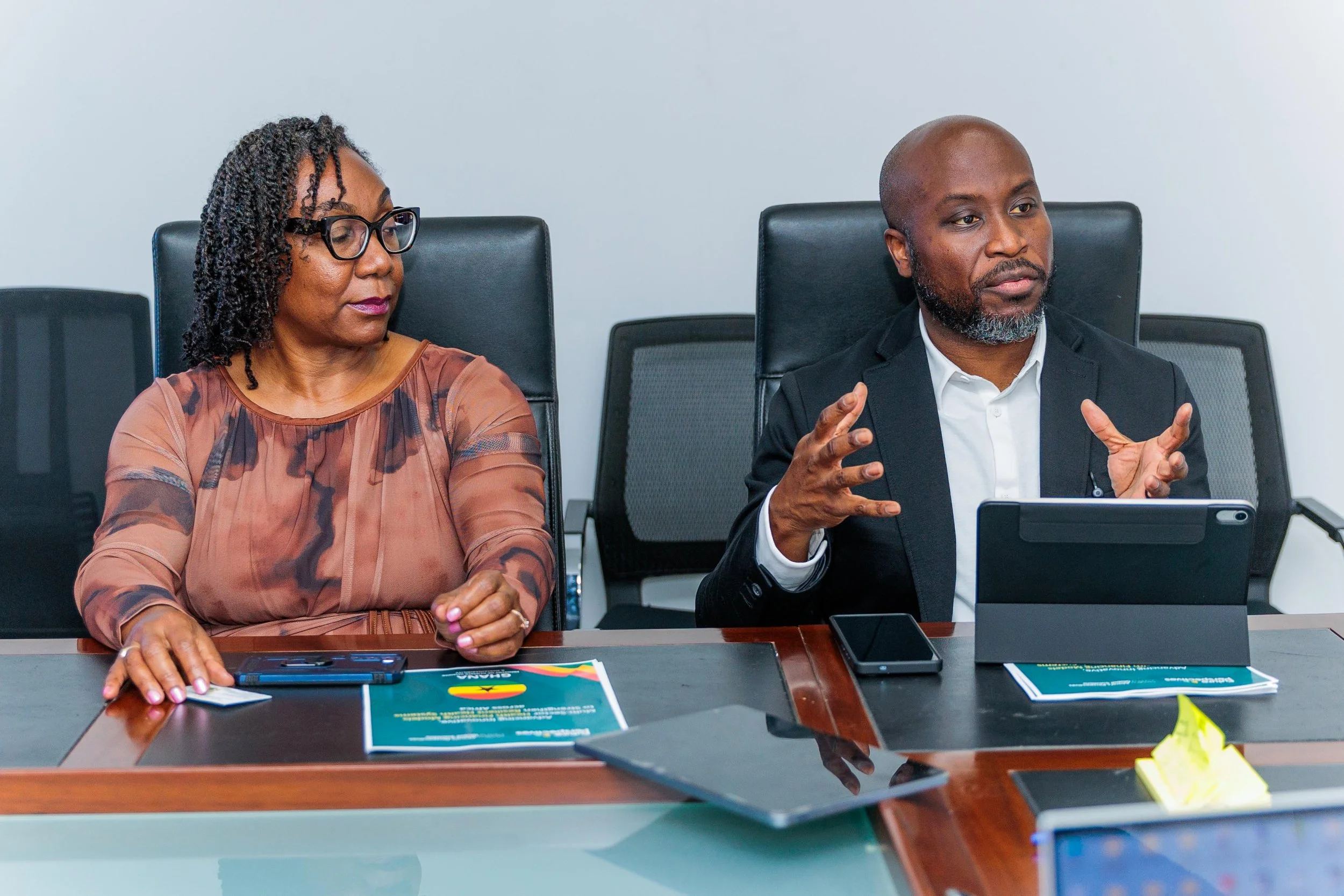
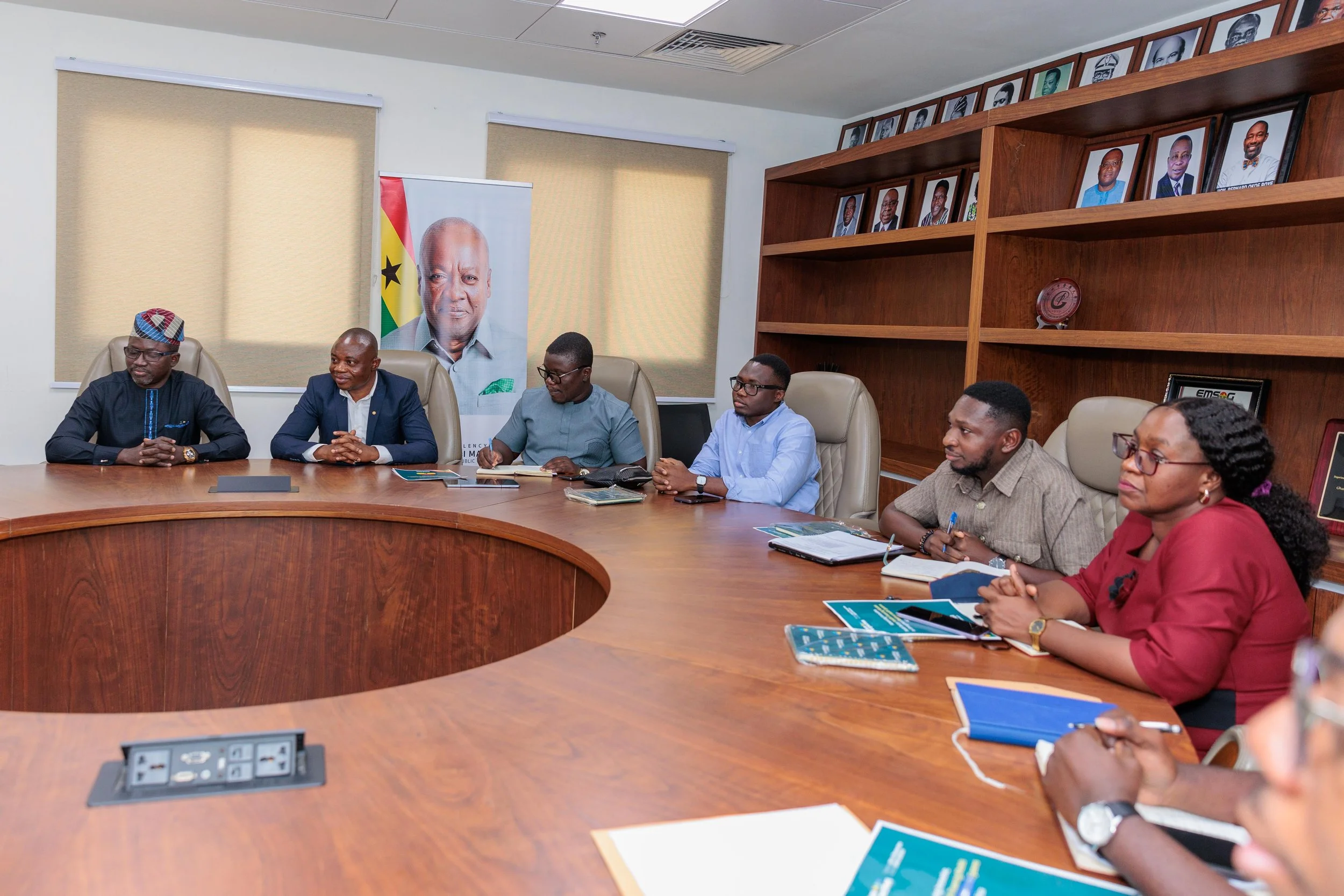
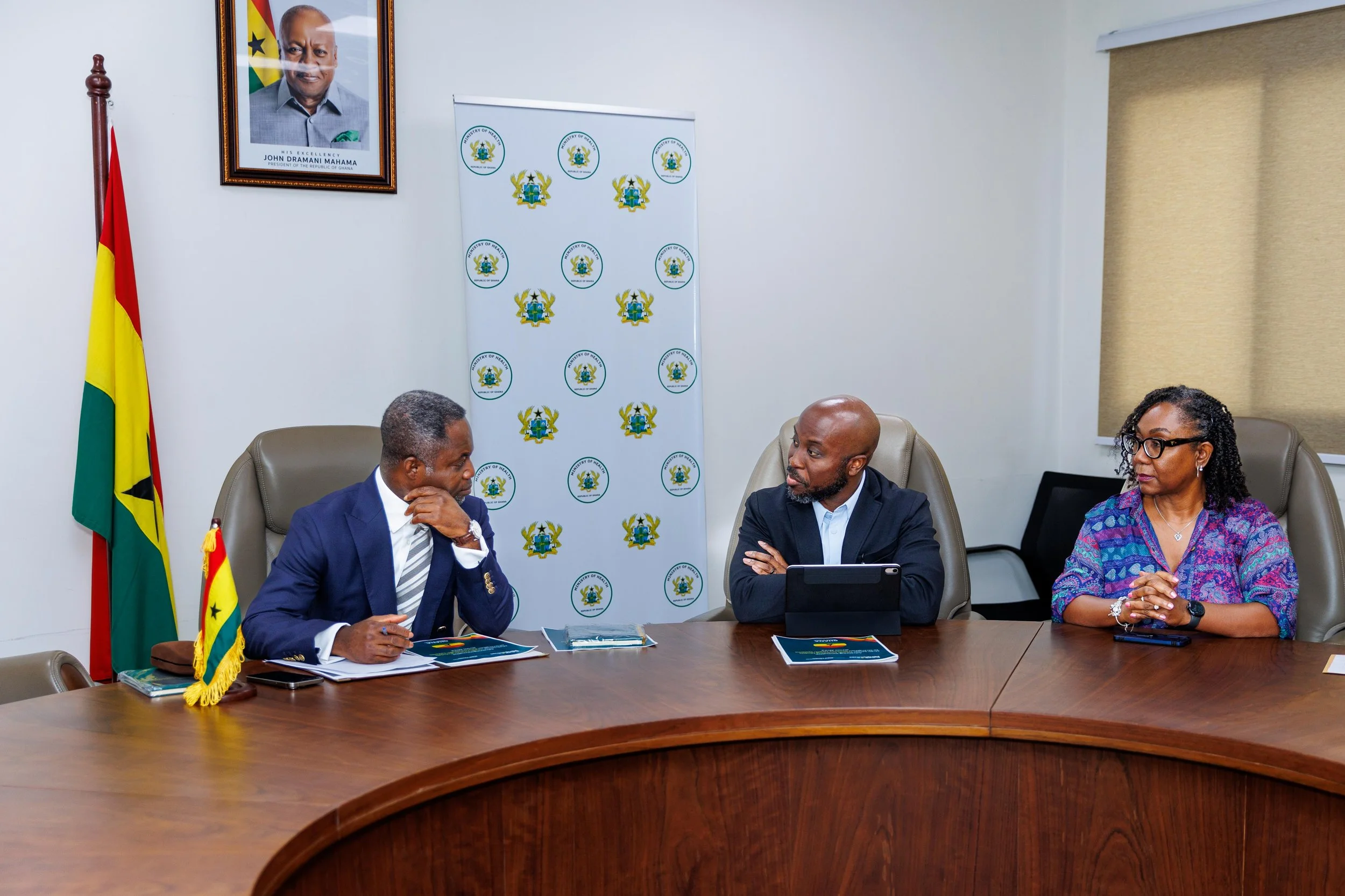
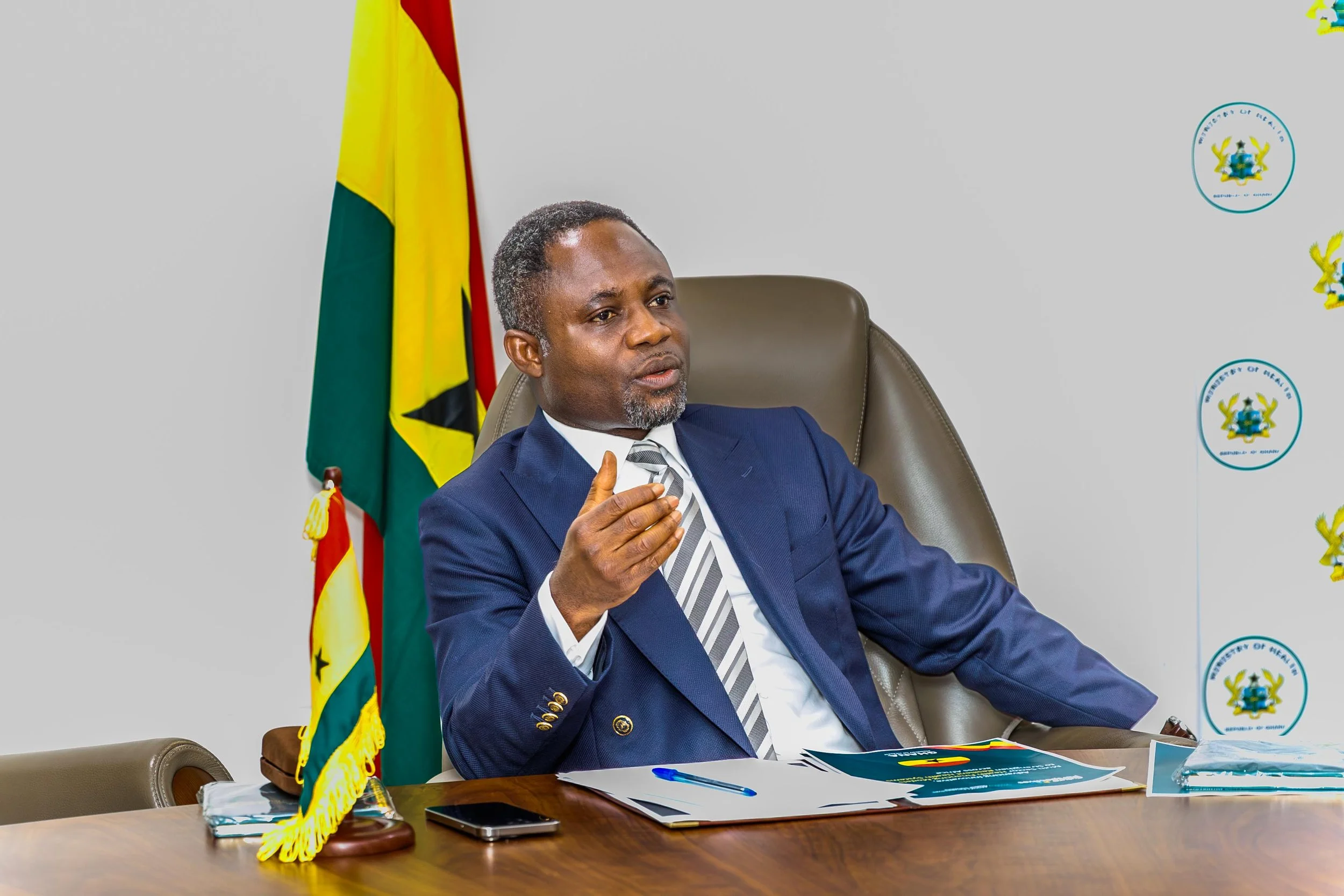
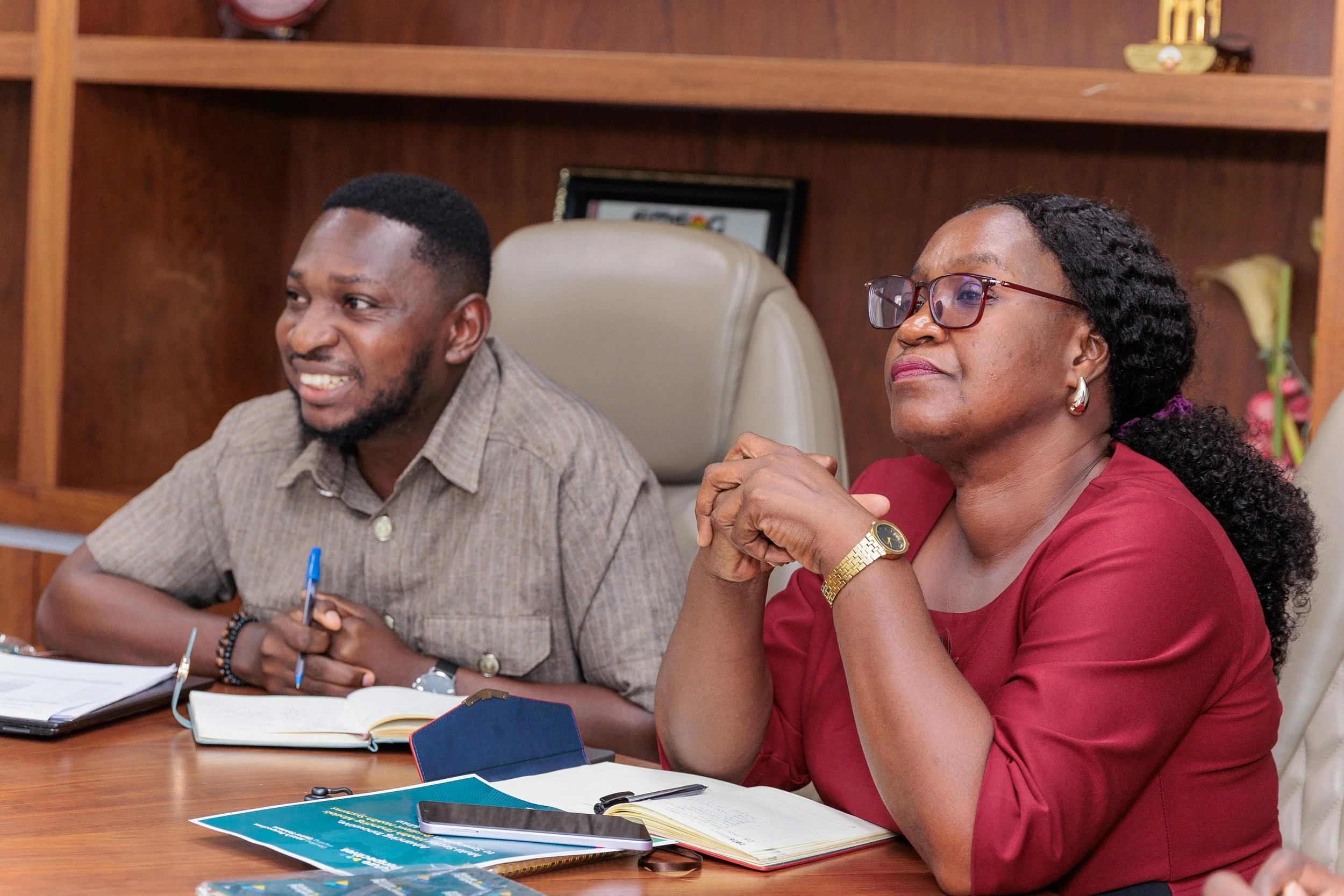
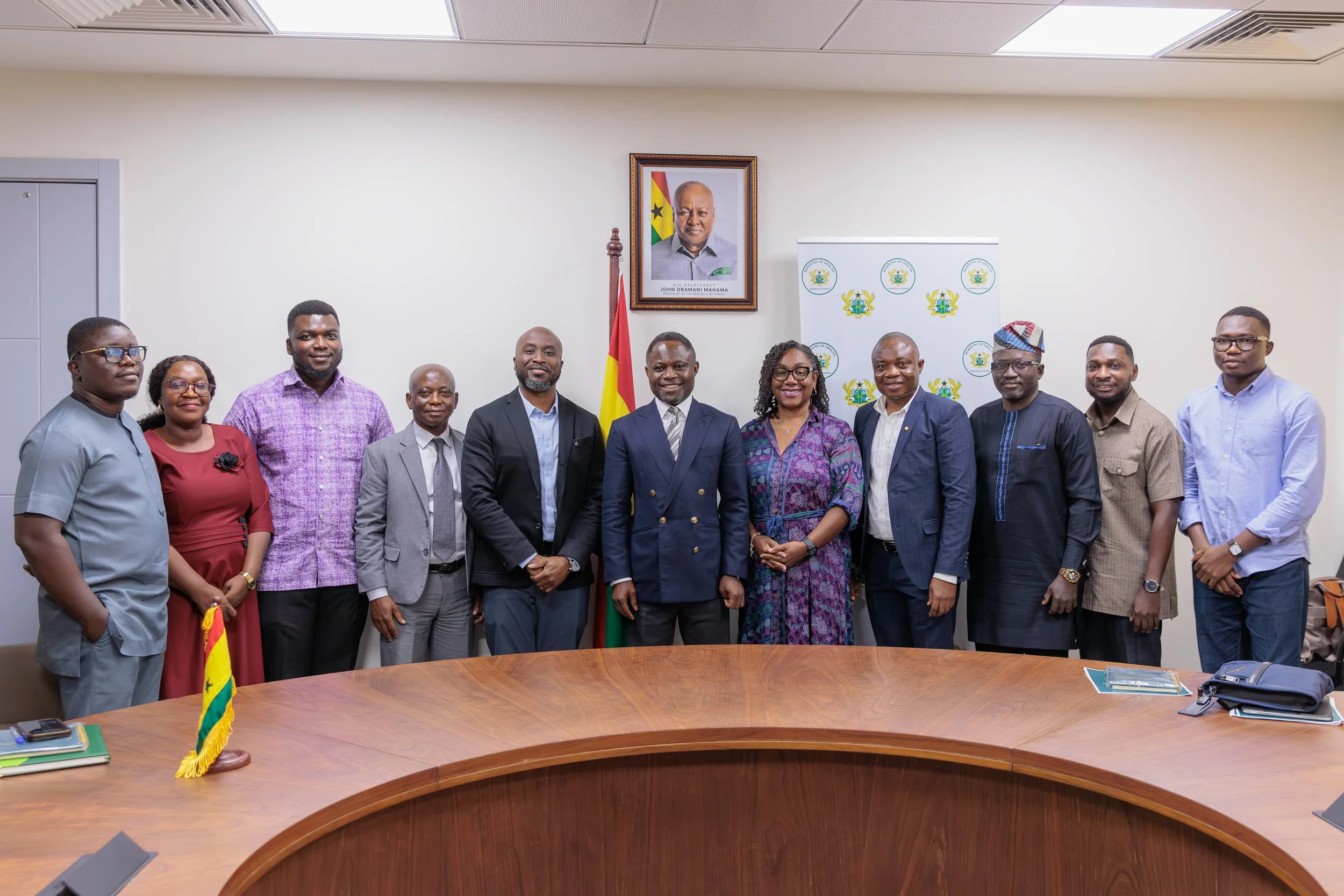
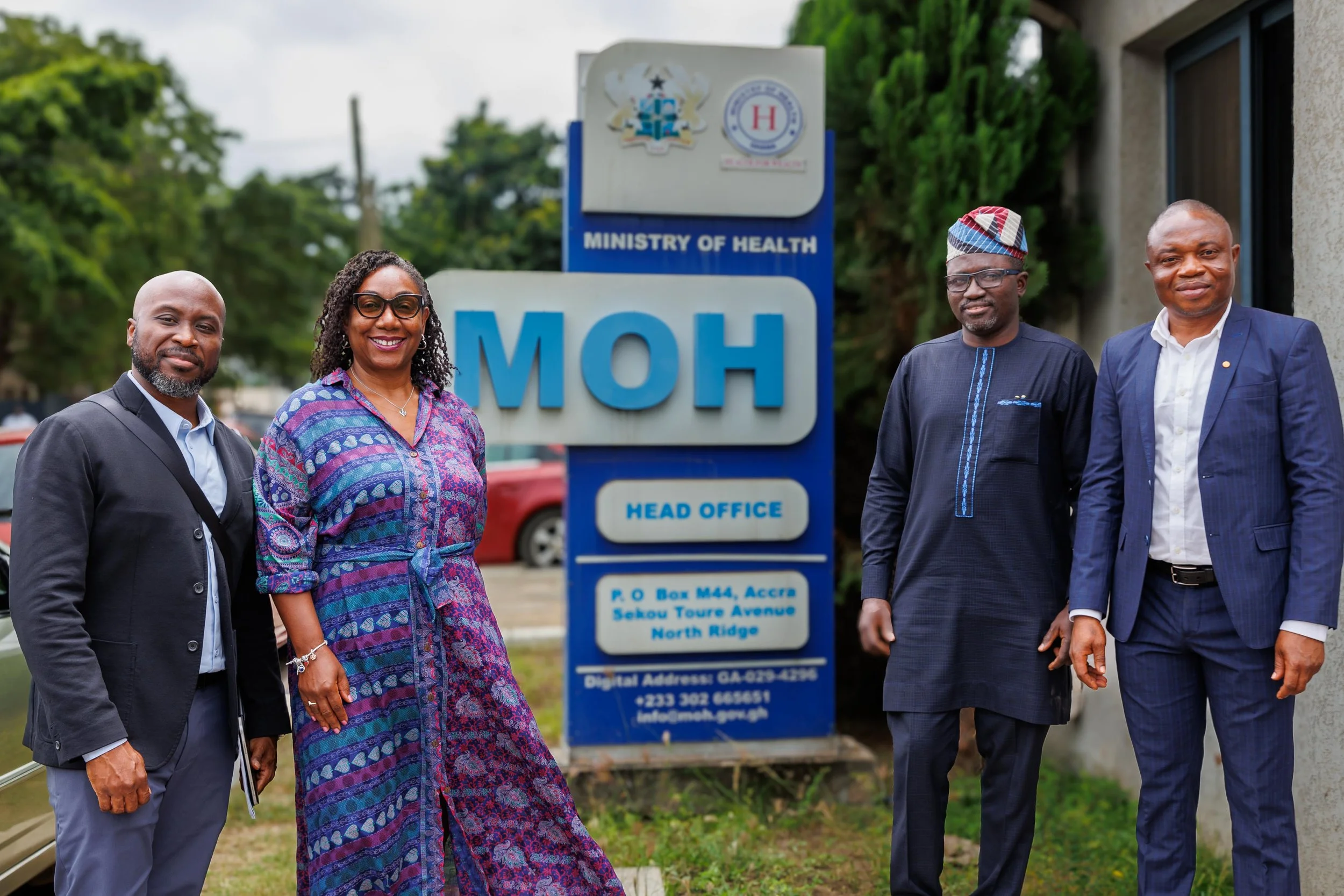
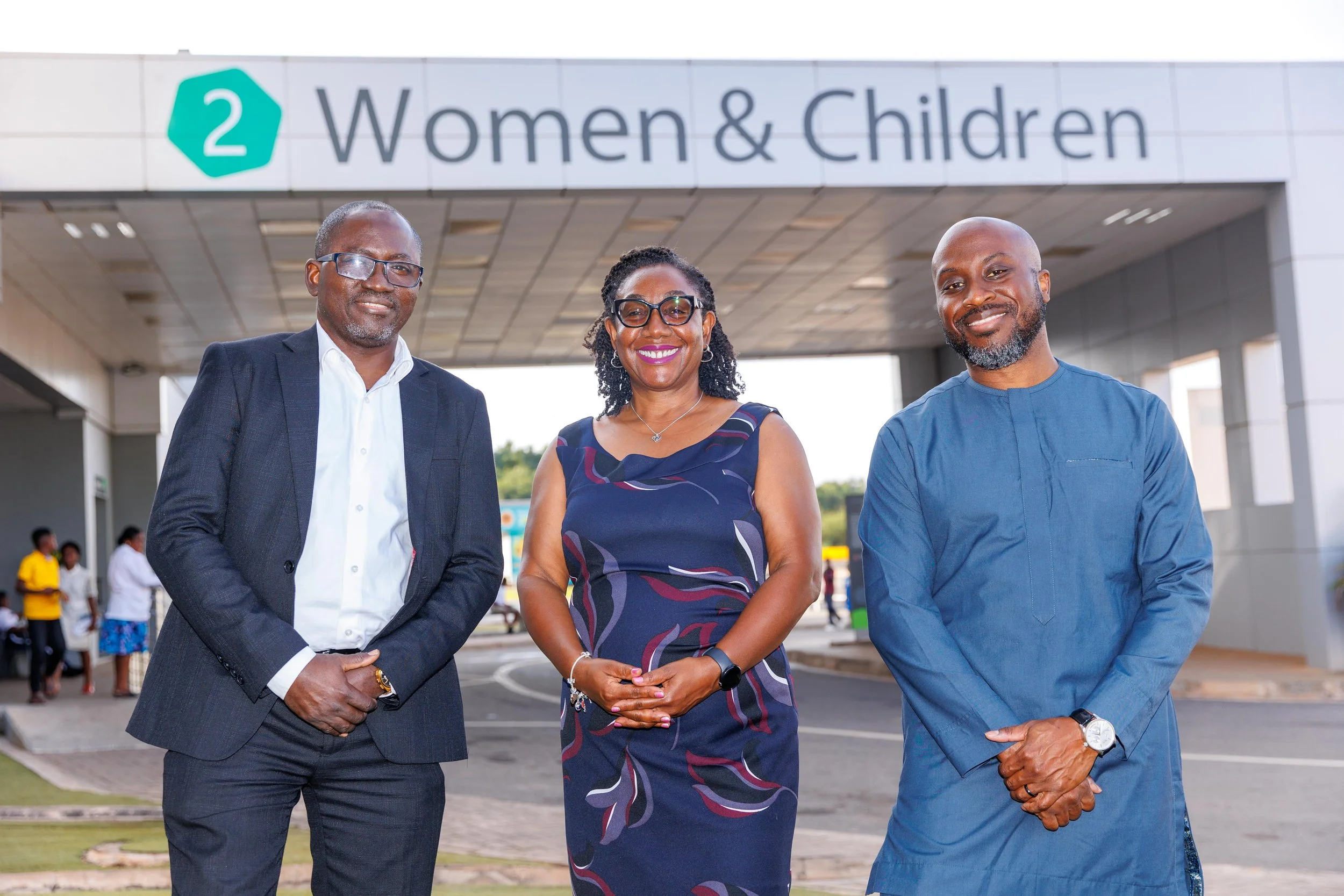
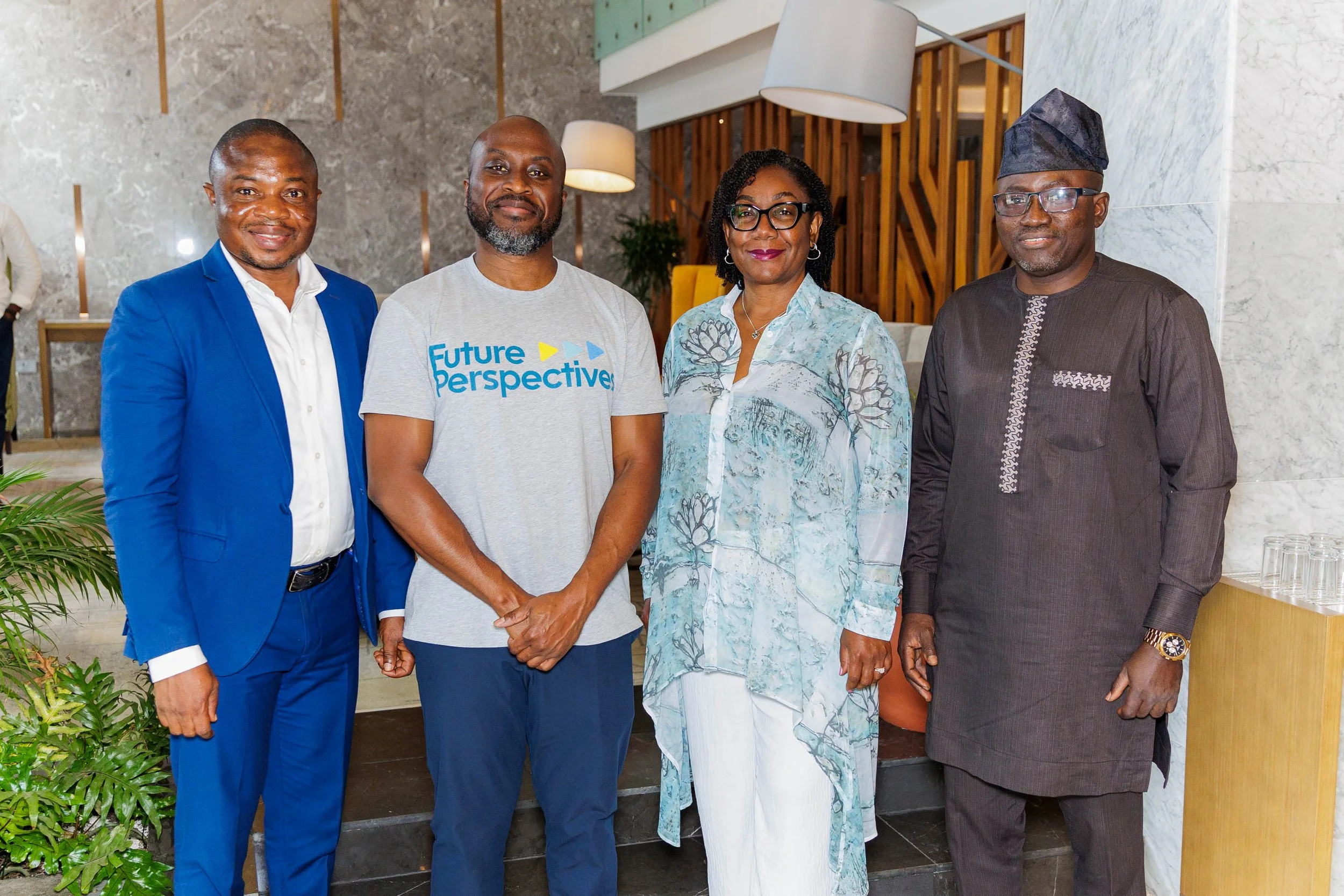
FP Team with the Ministry: L-R: Prof. Roger Atinga, Mr. Desmond Boateng (Chief Director), Yemi Asekun, Honorable Kwabena Mintah Akandoh (Minister of Health), Dr. Lorraine Otoide, Dotun Adebayo
From government ministries and health institutions to researchers, innovators, and community leaders, one message was clear: Ghana is positioning itself at the forefront of climate-resilient health strengthening in Africa.
Accra, Ghana – As climate change increasingly threatens health systems across the continent, Ghana is demonstrating what leadership, collaboration, and innovation can look like in practice.
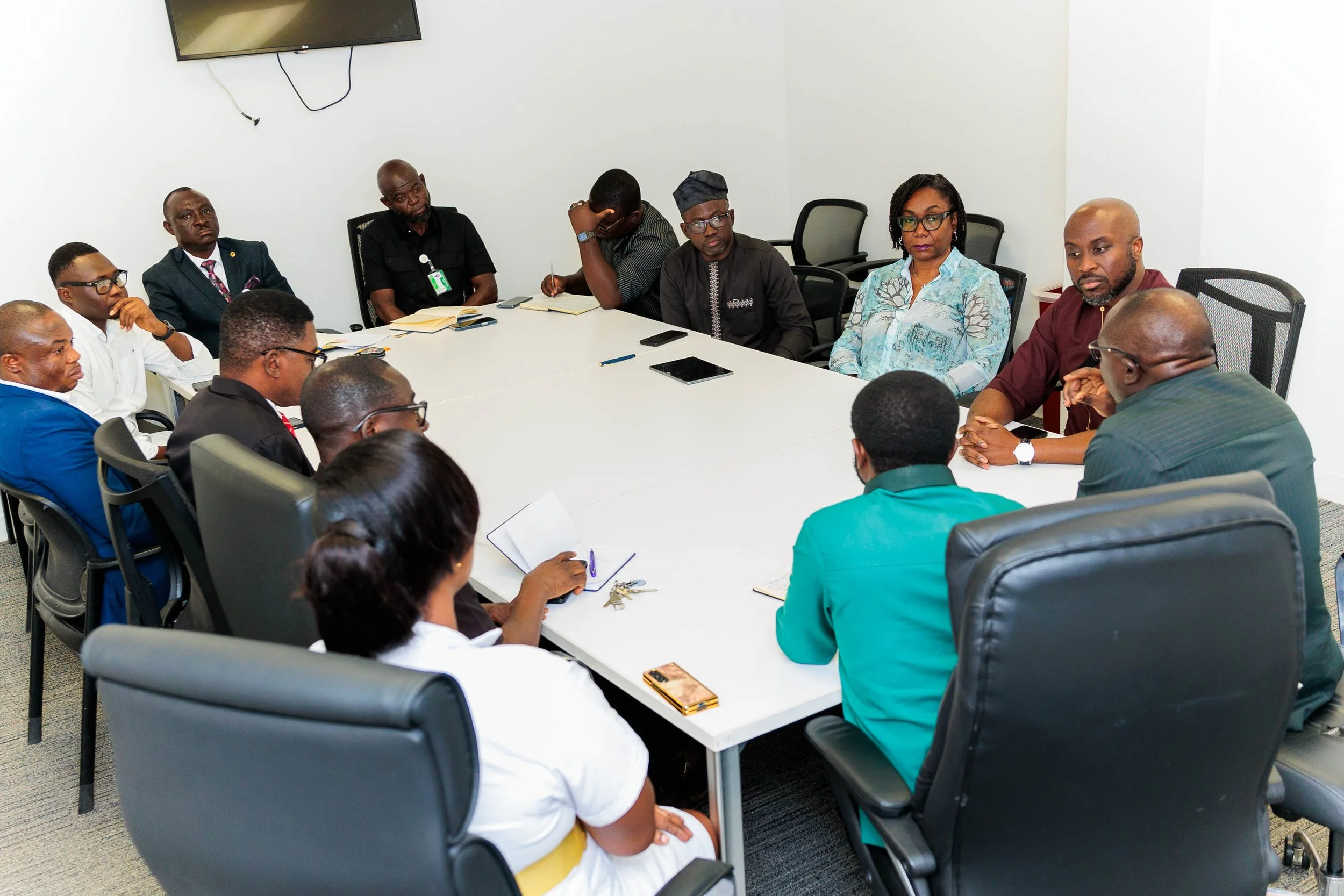
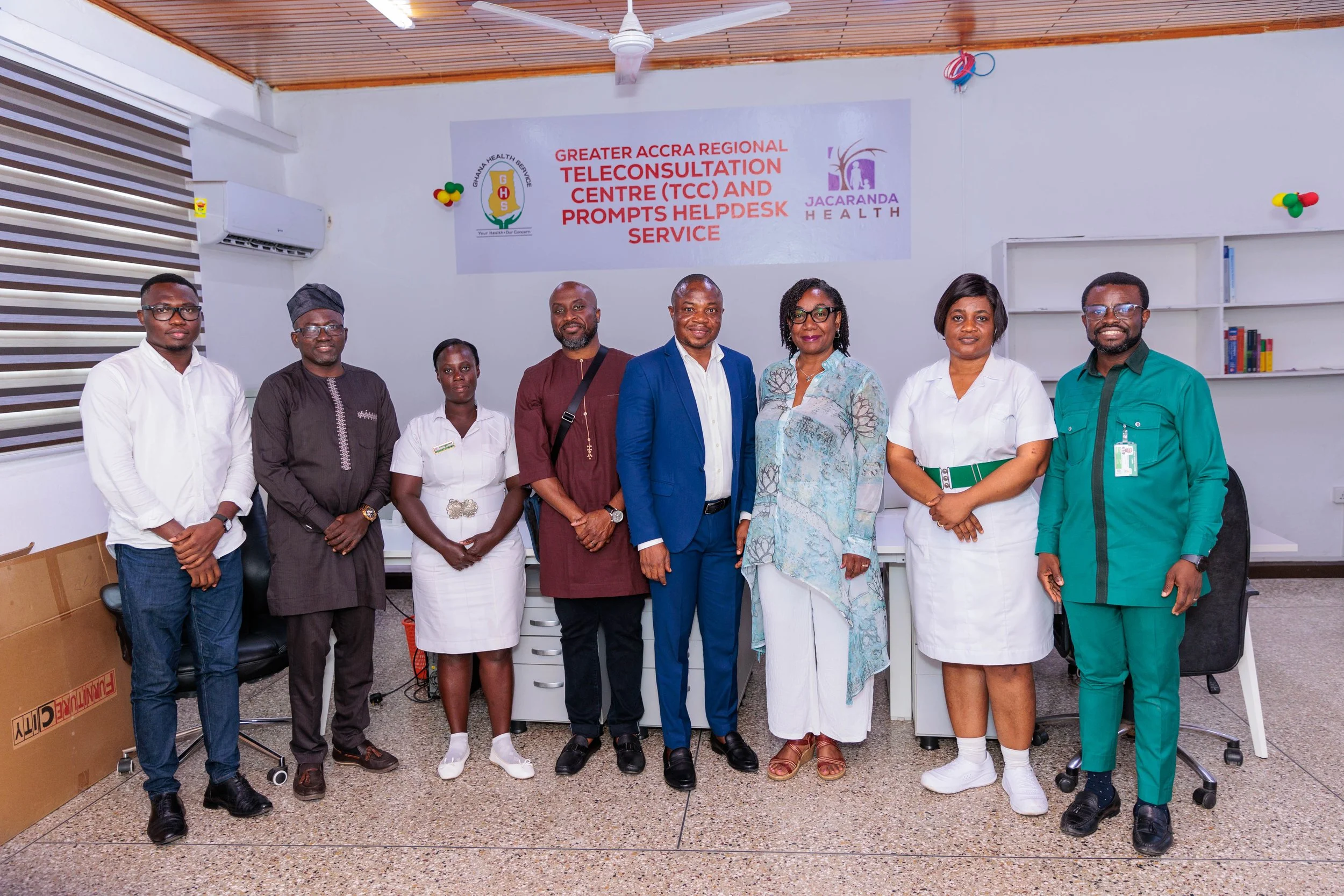
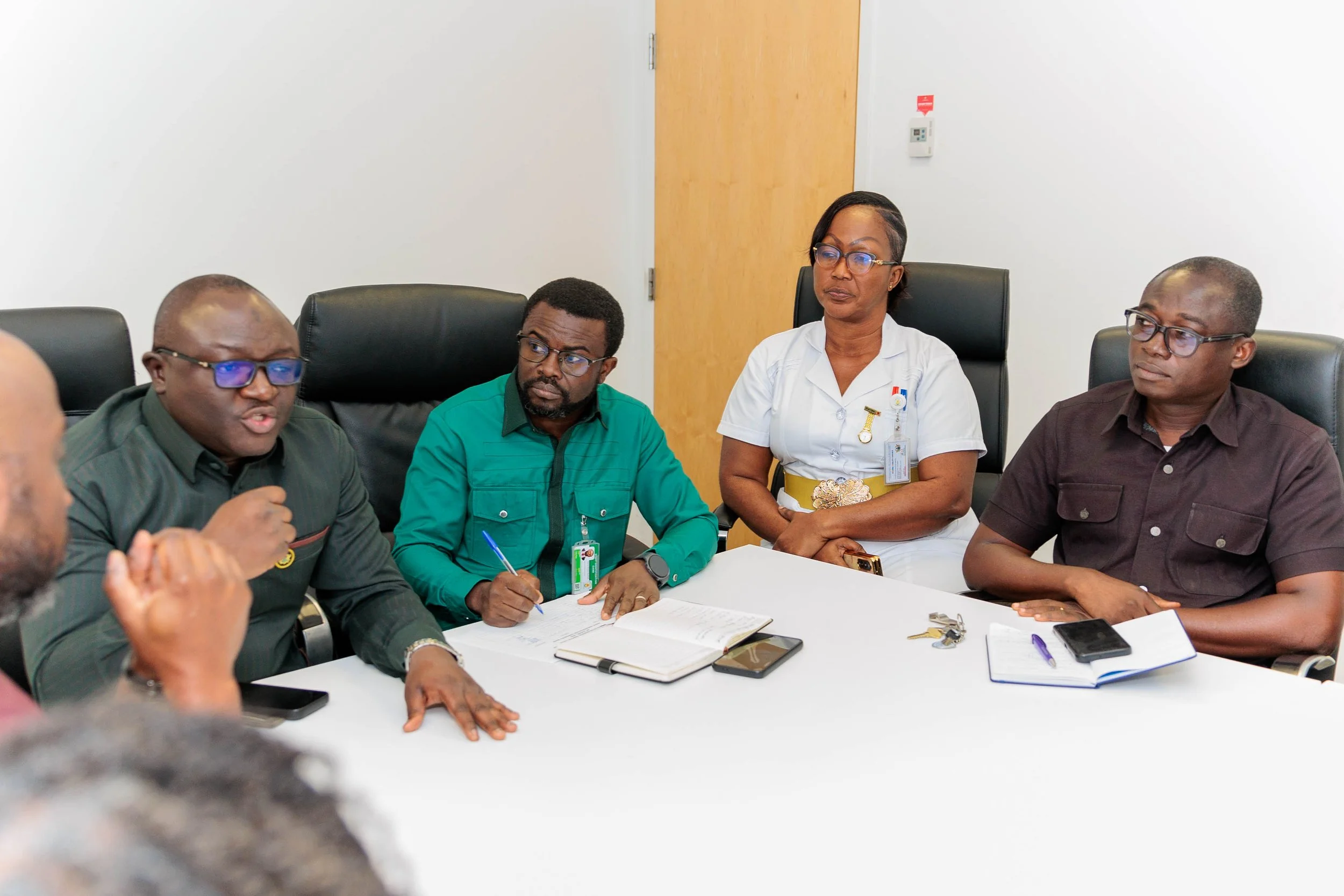
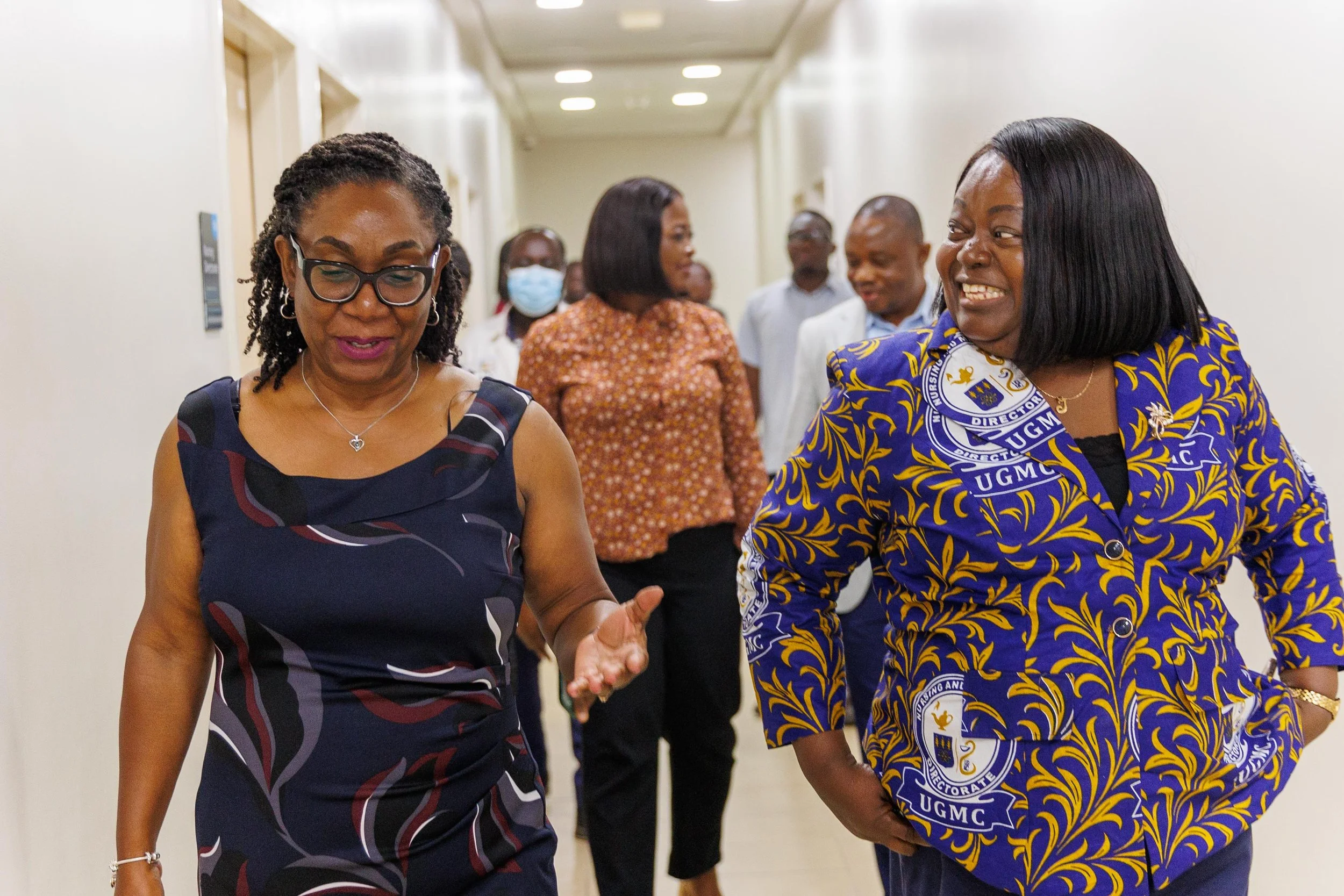
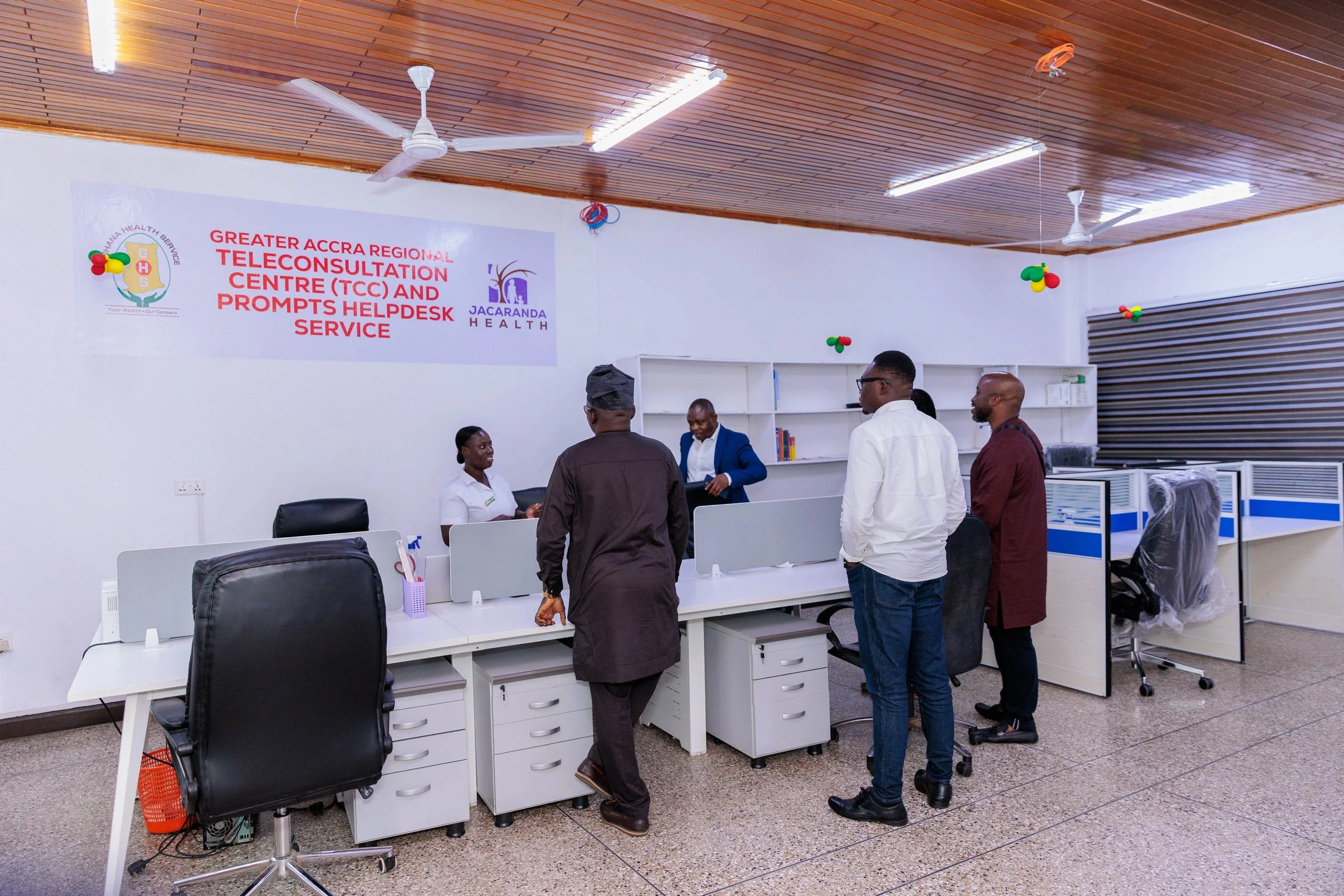
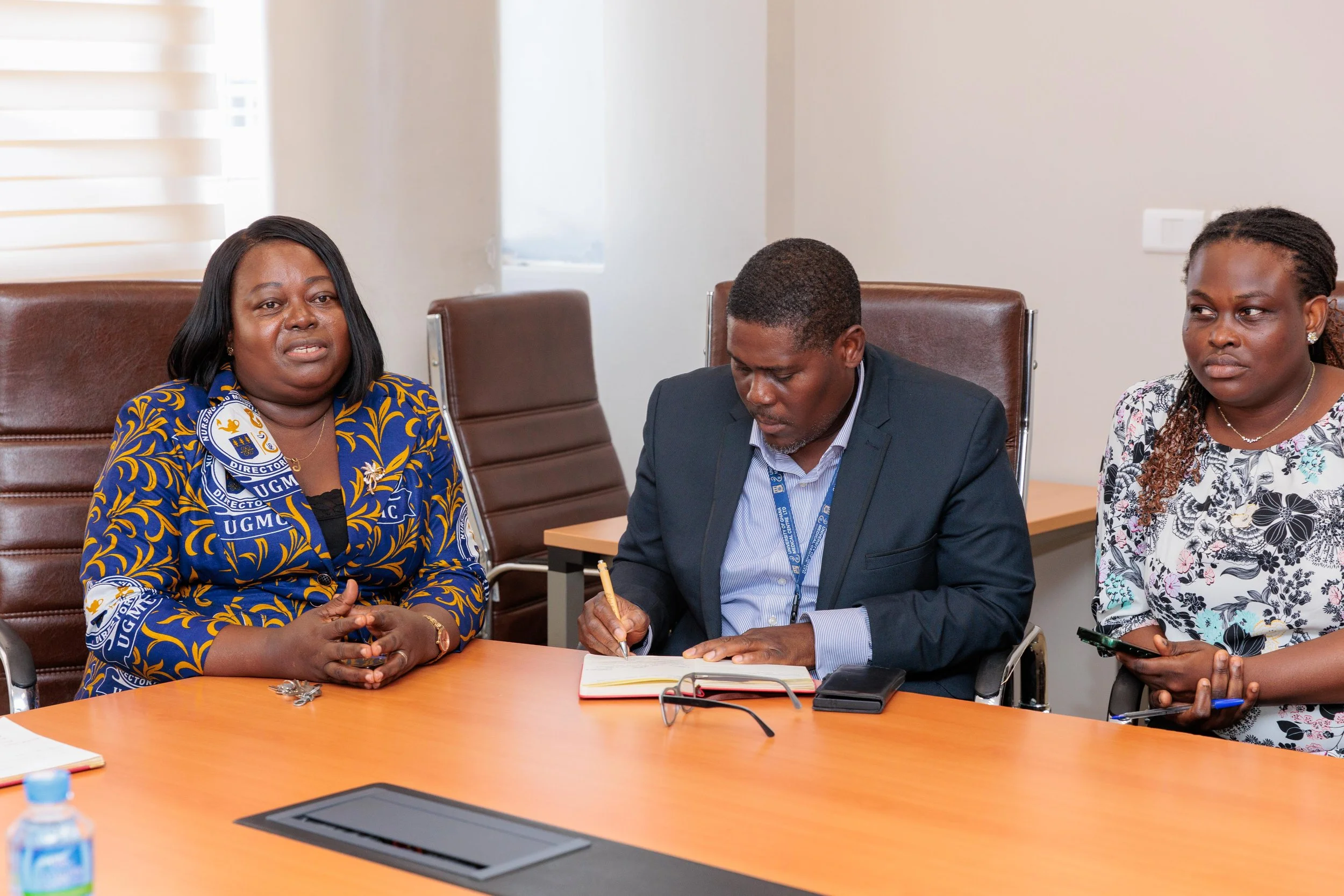
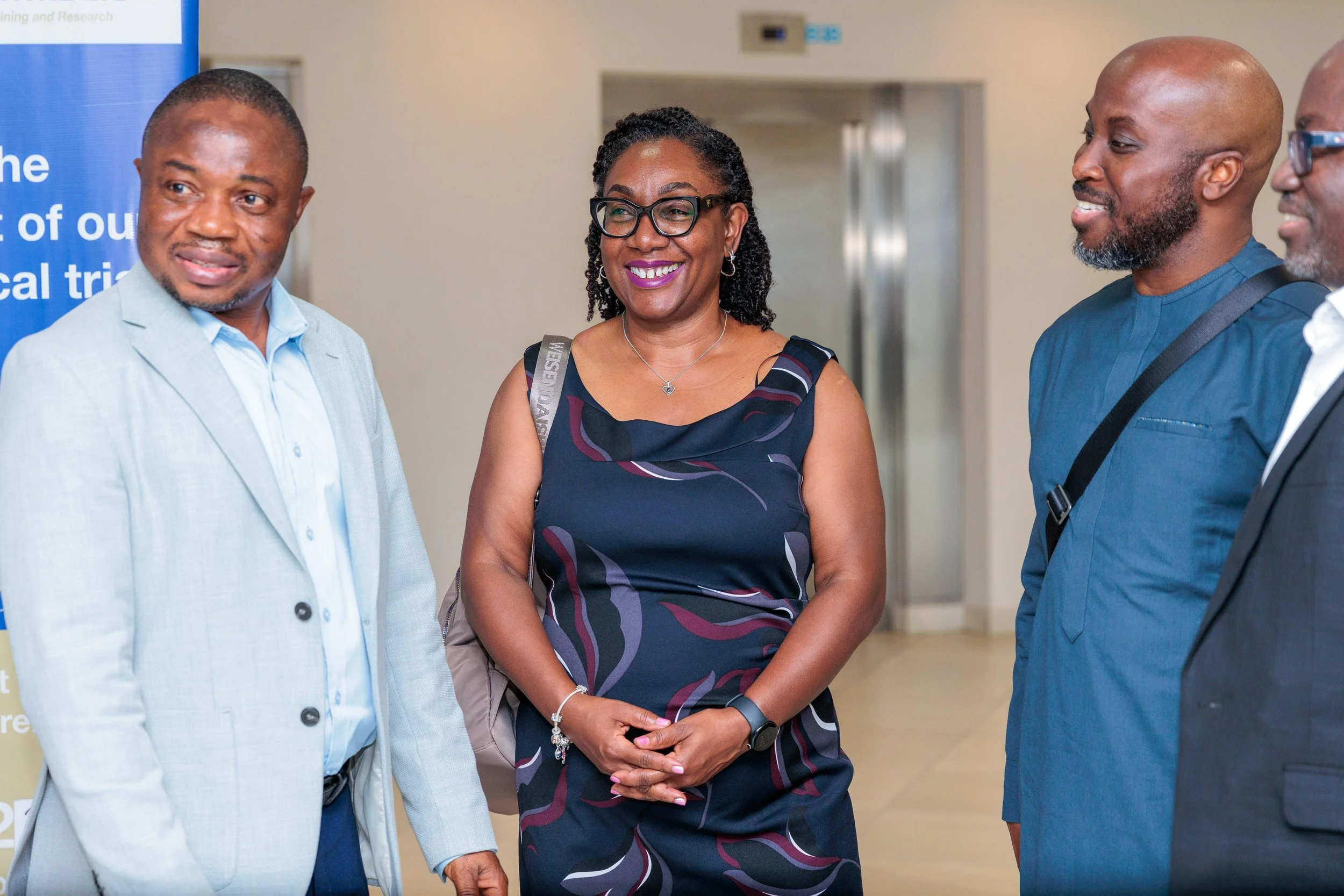
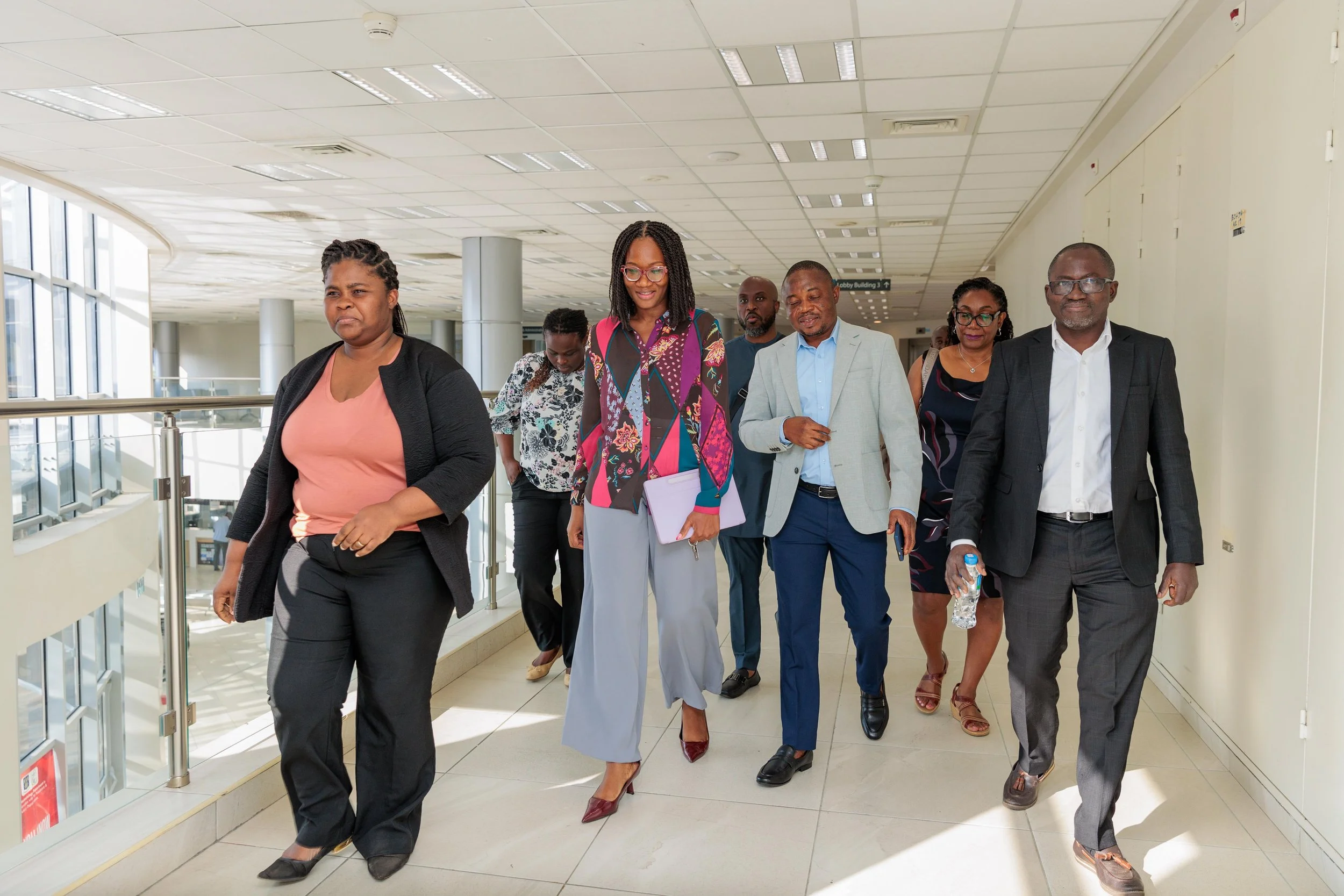
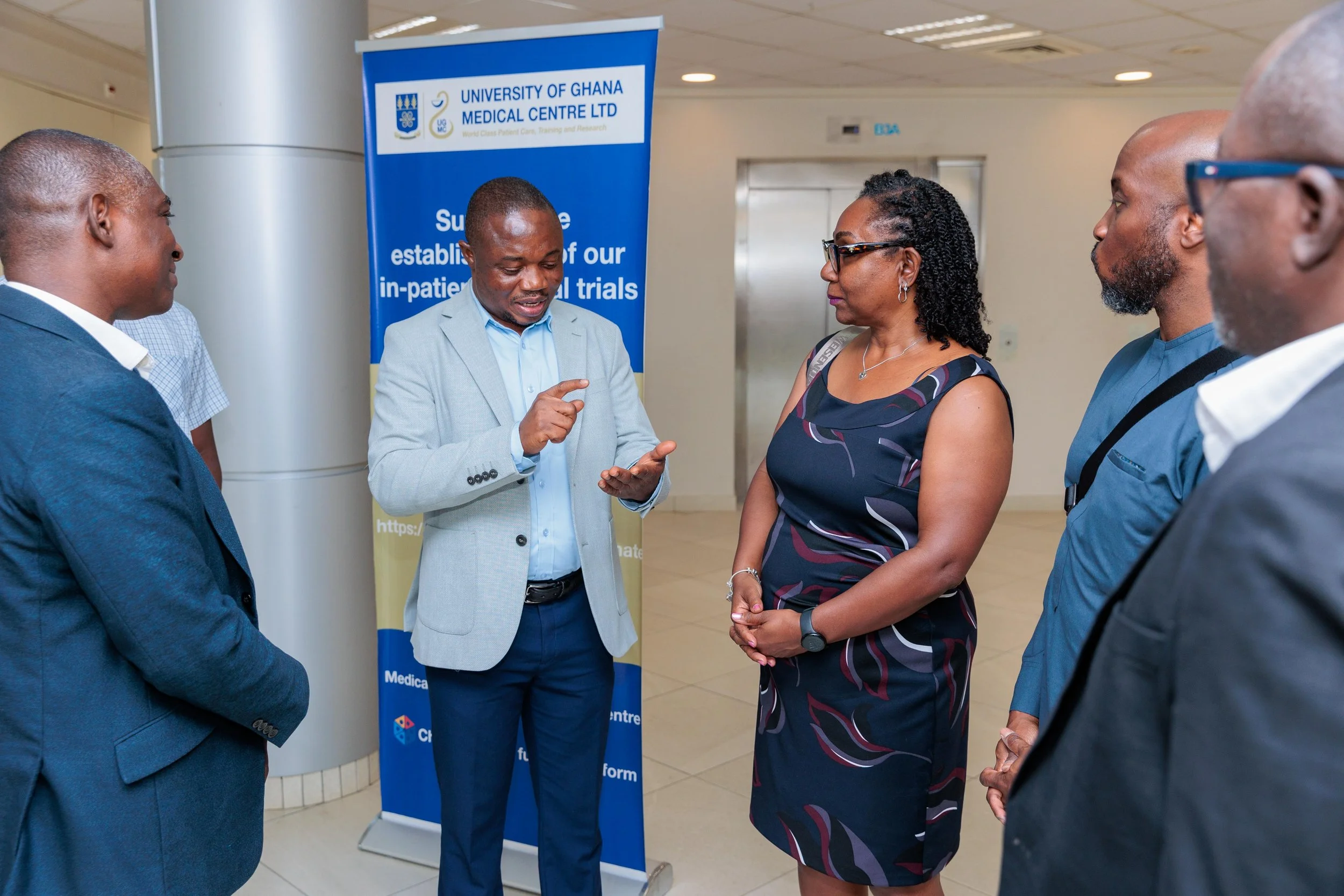
Future Perspectives recently concluded a high-level country mission to Ghana, engaging senior government officials, health sector leaders, development partners, research institutions, civil society organizations, and young innovators to explore how climate resilience can be integrated into health financing and health system strengthening. The mission revealed not only growing political commitment but also emerging institutional mechanisms that are helping turn ambition into action.
Political Commitment and Institutional Leadership for Climate-Health Action
A central insight from the mission was the extent to which climate-health priorities are being positioned within Ghana's broader development vision under the Accra Reset and Resetting Accra agendas. Rather than treating climate resilience and health as standalone sector priorities, government stakeholders emphasized their role in supporting wider national objectives around human capital development, economic transformation, social protection, sustainability, and long-term prosperity. This alignment creates a unique opportunity to elevate climate-resilient health systems as both a public health imperative and a strategic investment in Ghana's development future.
At the center of this effort is the Ministry for Climate Change and Sustainability, under the Presidency to provide high‑level coordination is driving a whole-of-government approach to climate action through an interministerial coordination platform that brings together ministries and agencies across sectors. This mechanism is helping to align national priorities, strengthen policy coherence, and ensure that climate considerations are integrated across development planning, including health, finance, agriculture, infrastructure, and local governance.
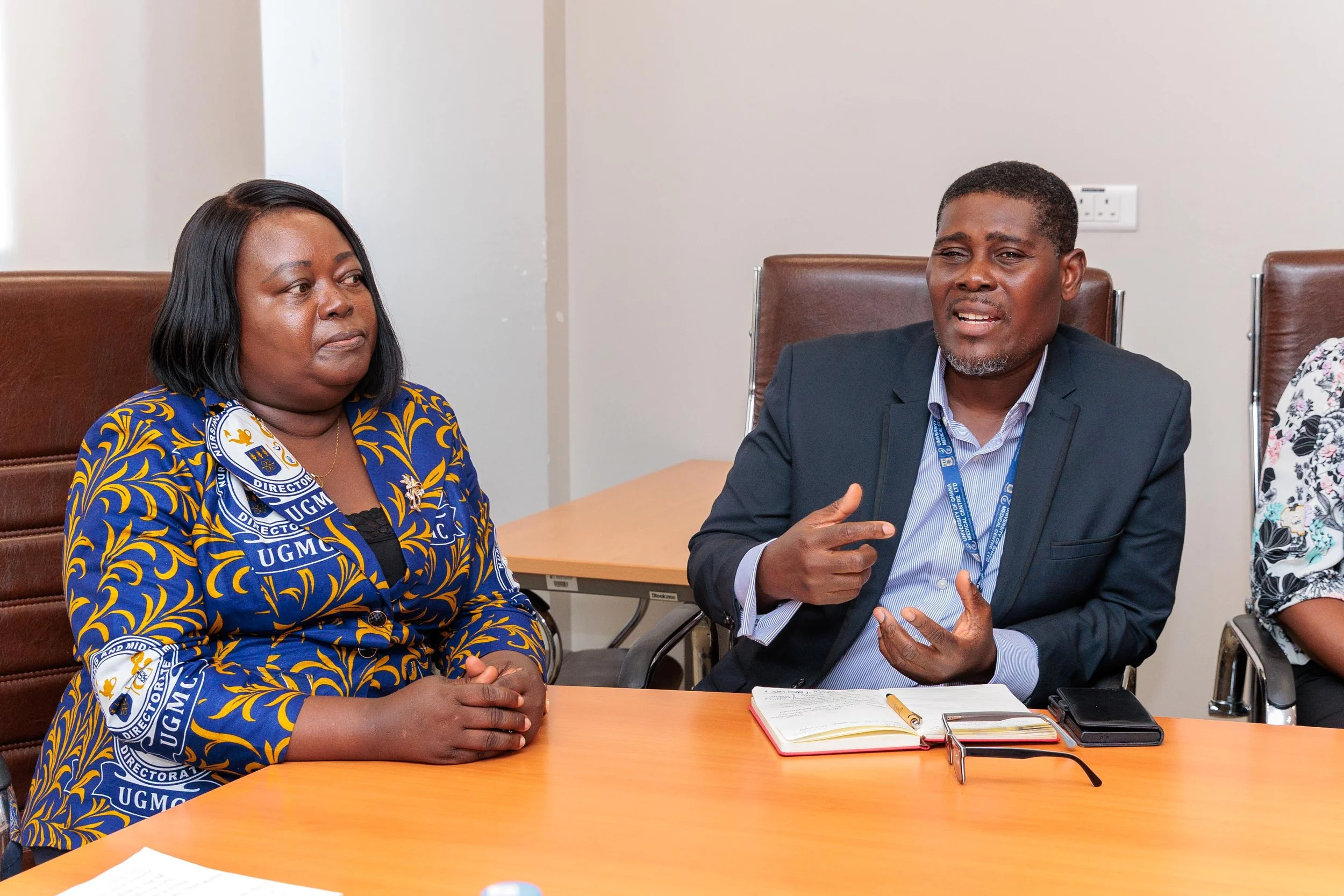
Equally significant is the growing leadership of the Climate Change Desk within the Ministry of Health. The mission highlighted how this unit is serving as a critical institutional bridge between the health and climate sectors, helping to integrate climate risks and adaptation priorities into health planning, policy development, workforce capacity-building, and health system resilience efforts. The strong collaboration between the Ministry of Health and the Ministry of Climate Change and Sustainability demonstrates how cross-sector partnerships can accelerate progress on climate-health priorities.
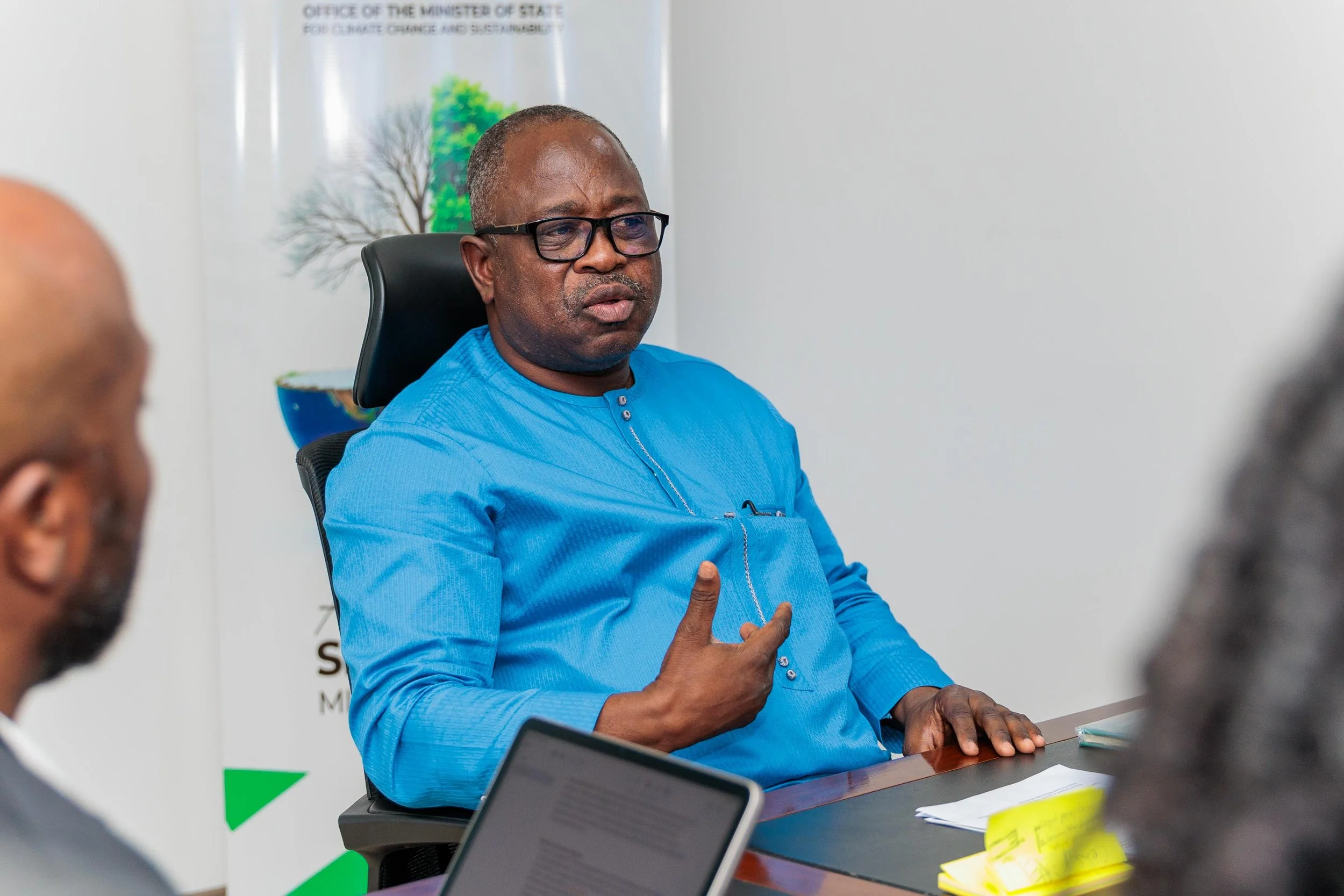
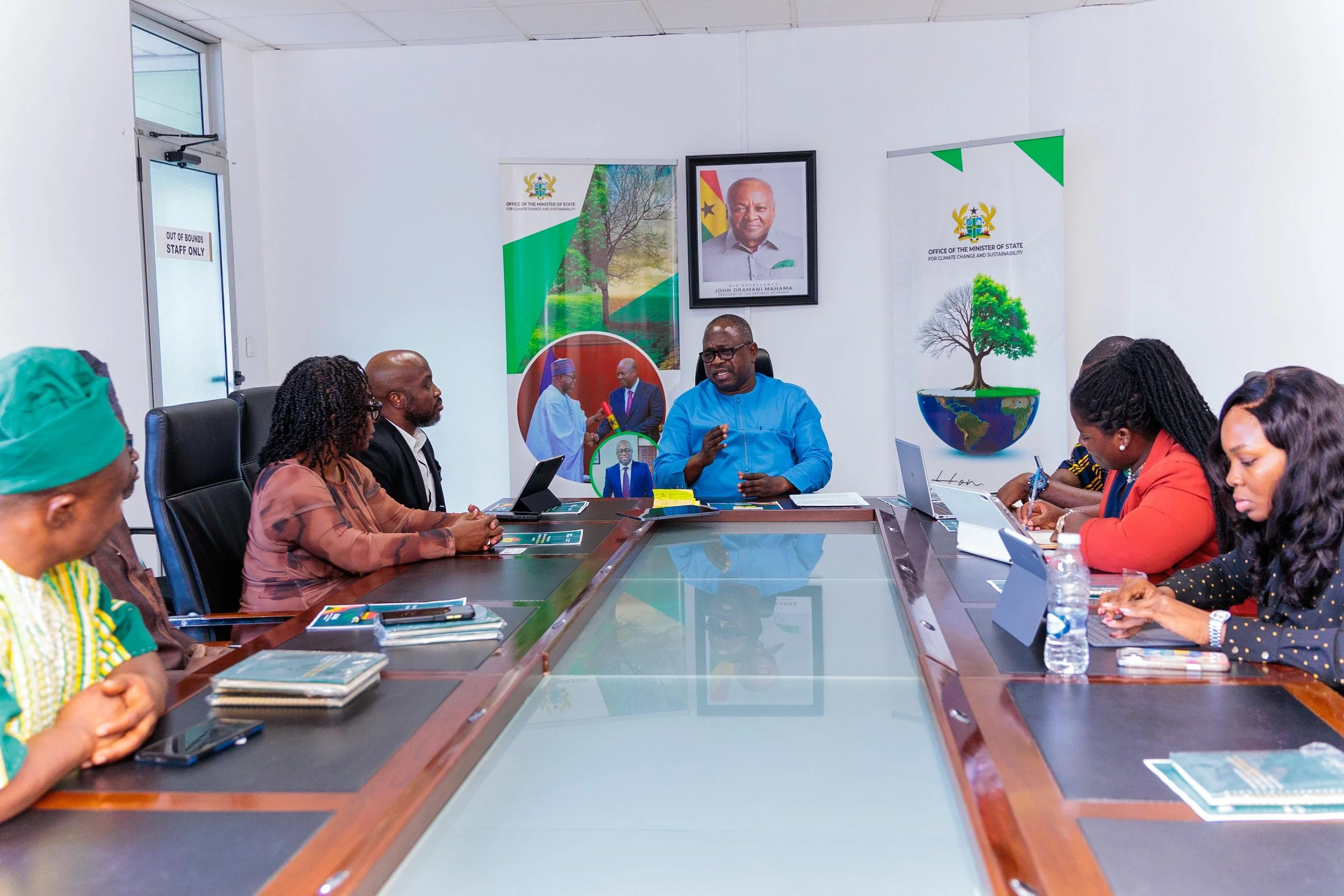
FP Team with Minister of State for Climate Change and Sustainability, Honorable Issifu Seidu
Climate Resilience must become a Core Health Investment Priority
Across engagements, stakeholders consistently emphasized that climate resilience is no longer solely an environmental concern. It is increasingly becoming a health, economic, and development imperative.
Discussions highlighted the need to embed climate adaptation into national health financing strategies, infrastructure investments, workforce development, disease surveillance systems, and primary healthcare delivery. Rather than treating climate and health as separate agendas, Ghana is well positioned to advance an integrated approach that strengthens resilience while improving health outcomes.
Ghana Offers a Strong Foundation for Climate-Health Leadership
The mission reinforced Ghana's considerable strengths: strong political commitment, maturing climate-finance architecture, growing institutional coordination, and an enabling policy environment that supports innovative financing solutions.
These assets create an opportunity to mobilize new forms of capital, strengthen domestic financing mechanisms, and position health system resilience as a strategic investment priority within Ghana's broader climate and development agenda.
Local Institutions are Leading the Way
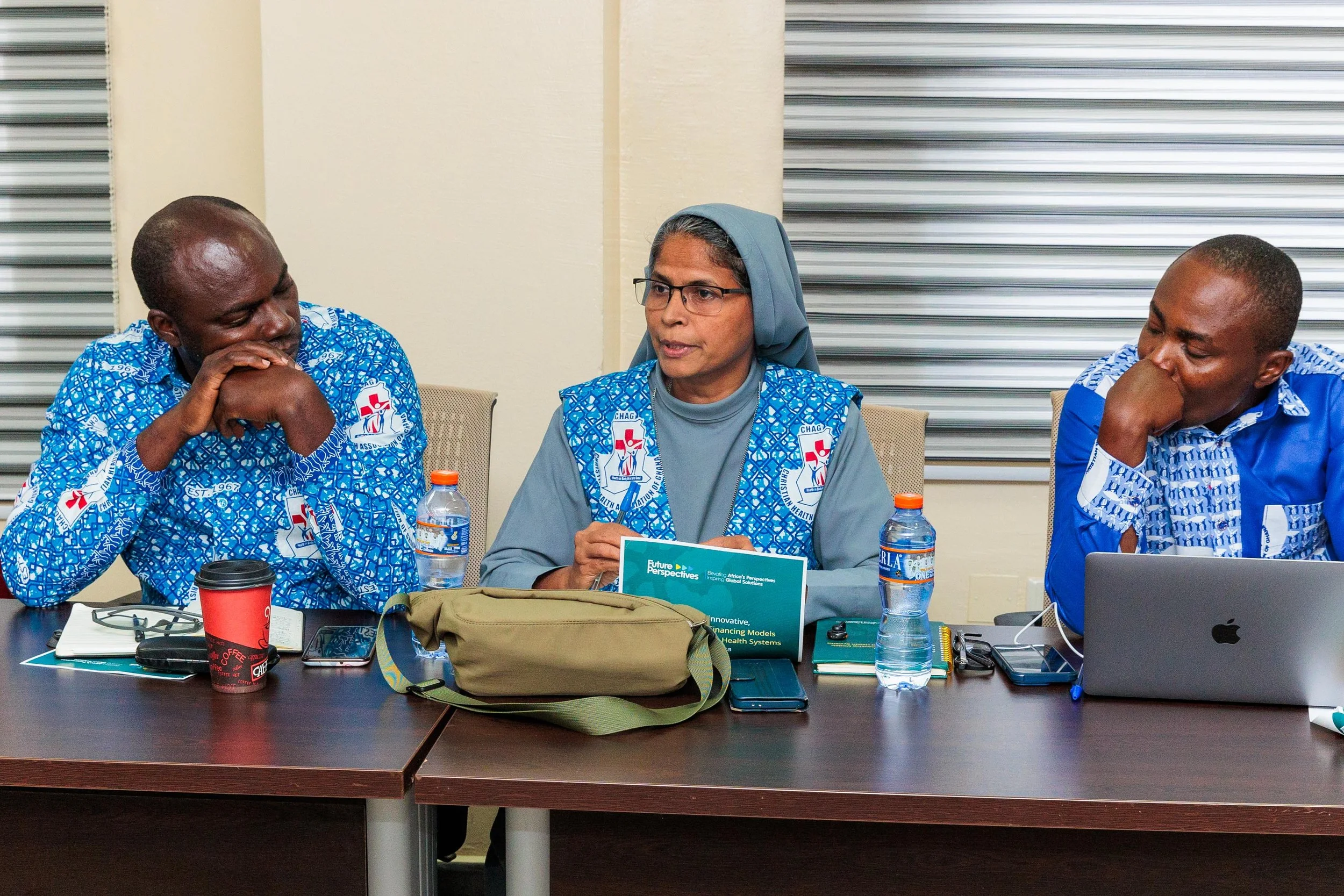
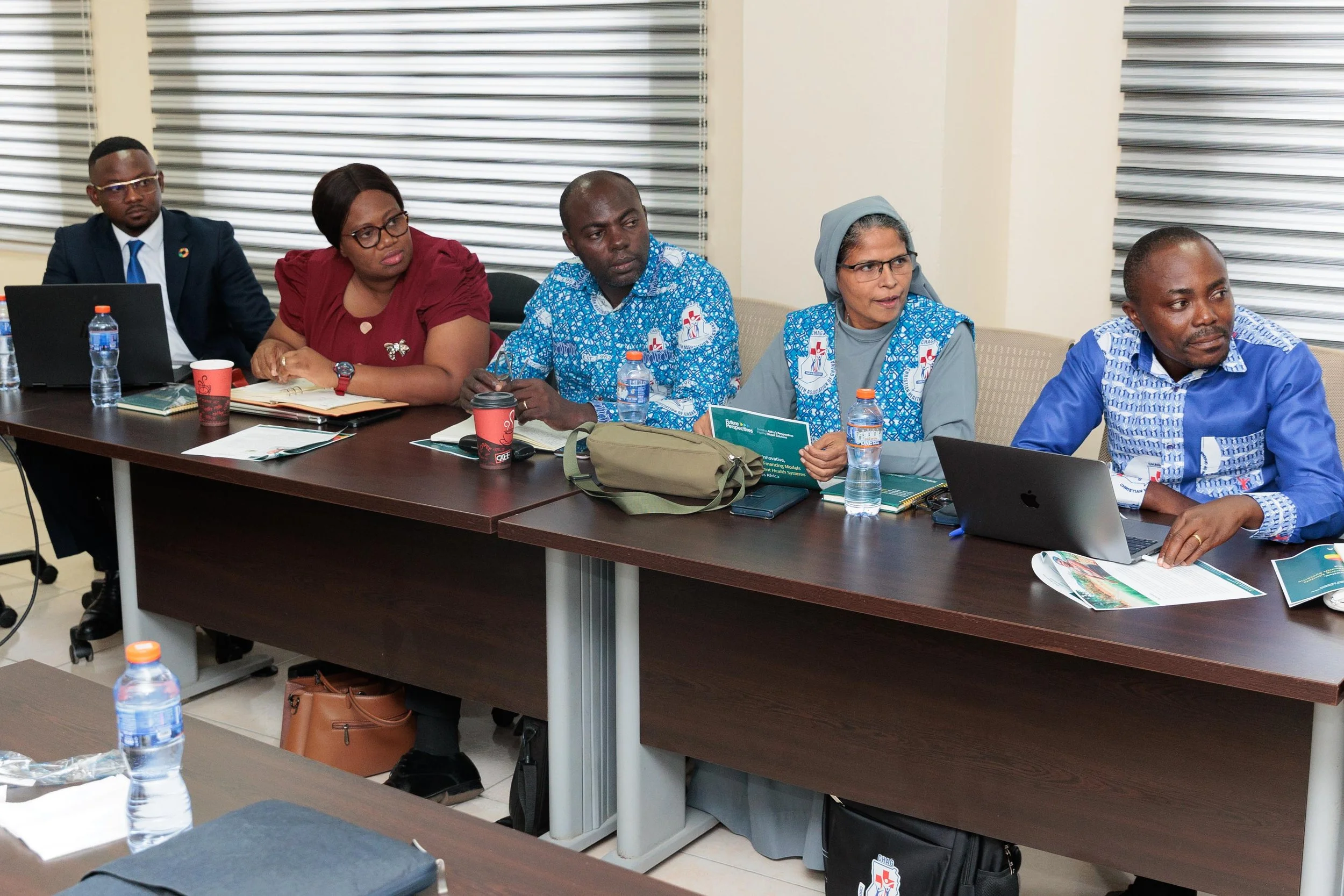
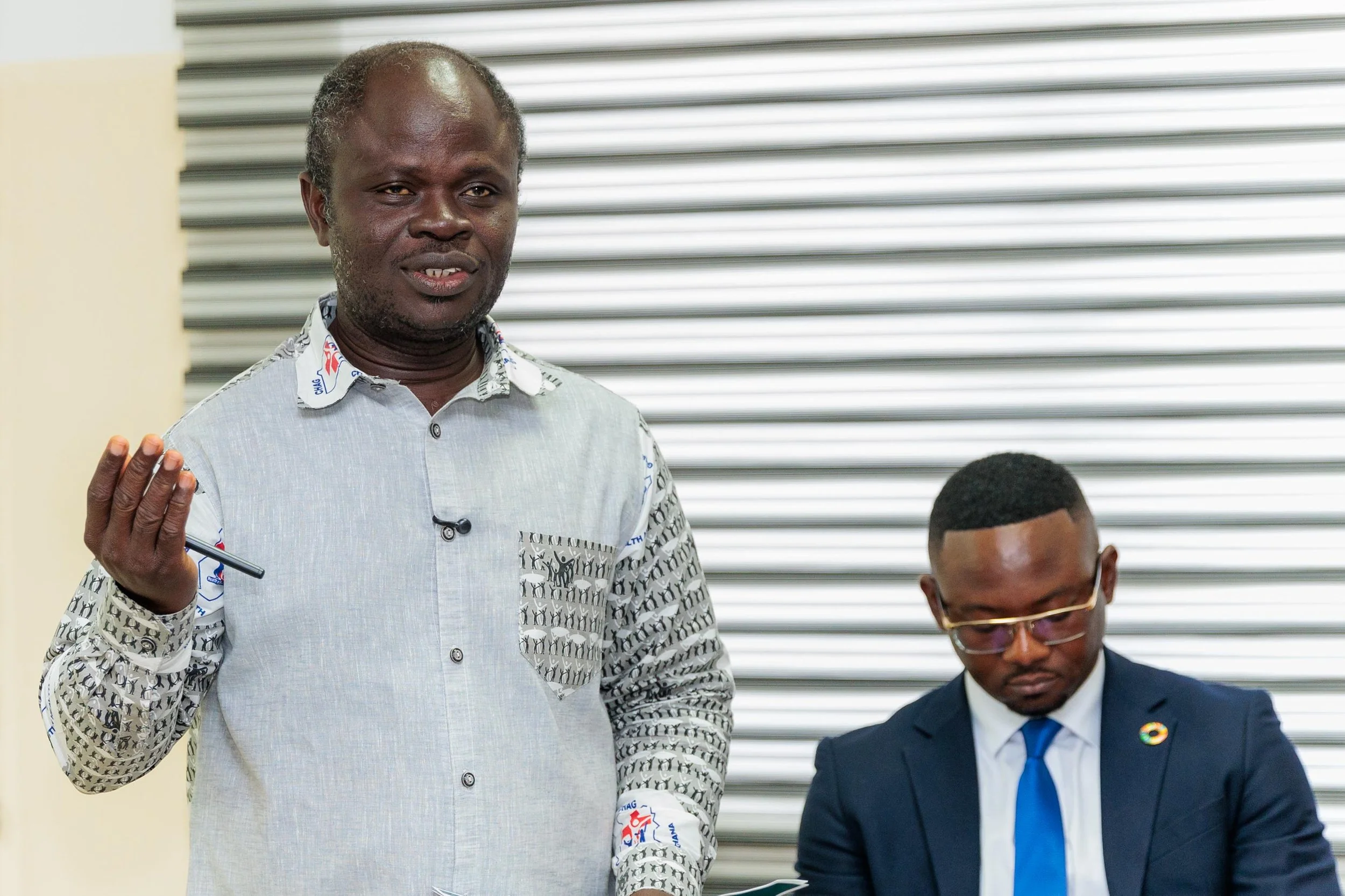
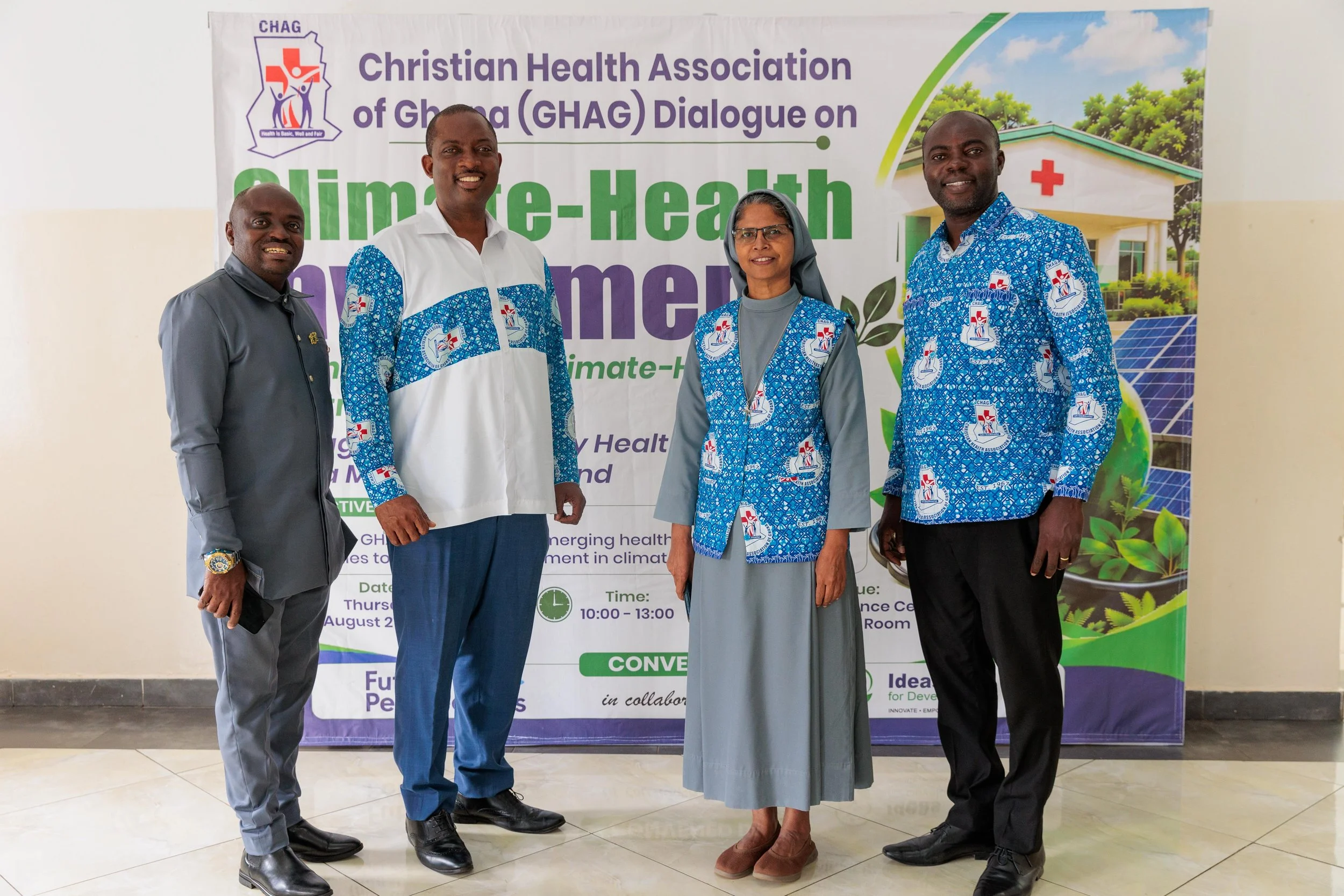
One of the mission's most important insights came from discussions with the Christian Health Association of Ghana (CHAG) and the Ghana Medical Trust Fund (GTMF).
CHAG's extensive nationwide service delivery platform and GTMF's growing role in health financing demonstrate how strong local institutions can serve as catalysts for health systems transformation. Together, they present a promising model for mobilizing resources, coordinating investments, and delivering impact at scale. Their experience also offers valuable lessons for other African countries seeking sustainable pathways to universal health coverage and climate resilience.
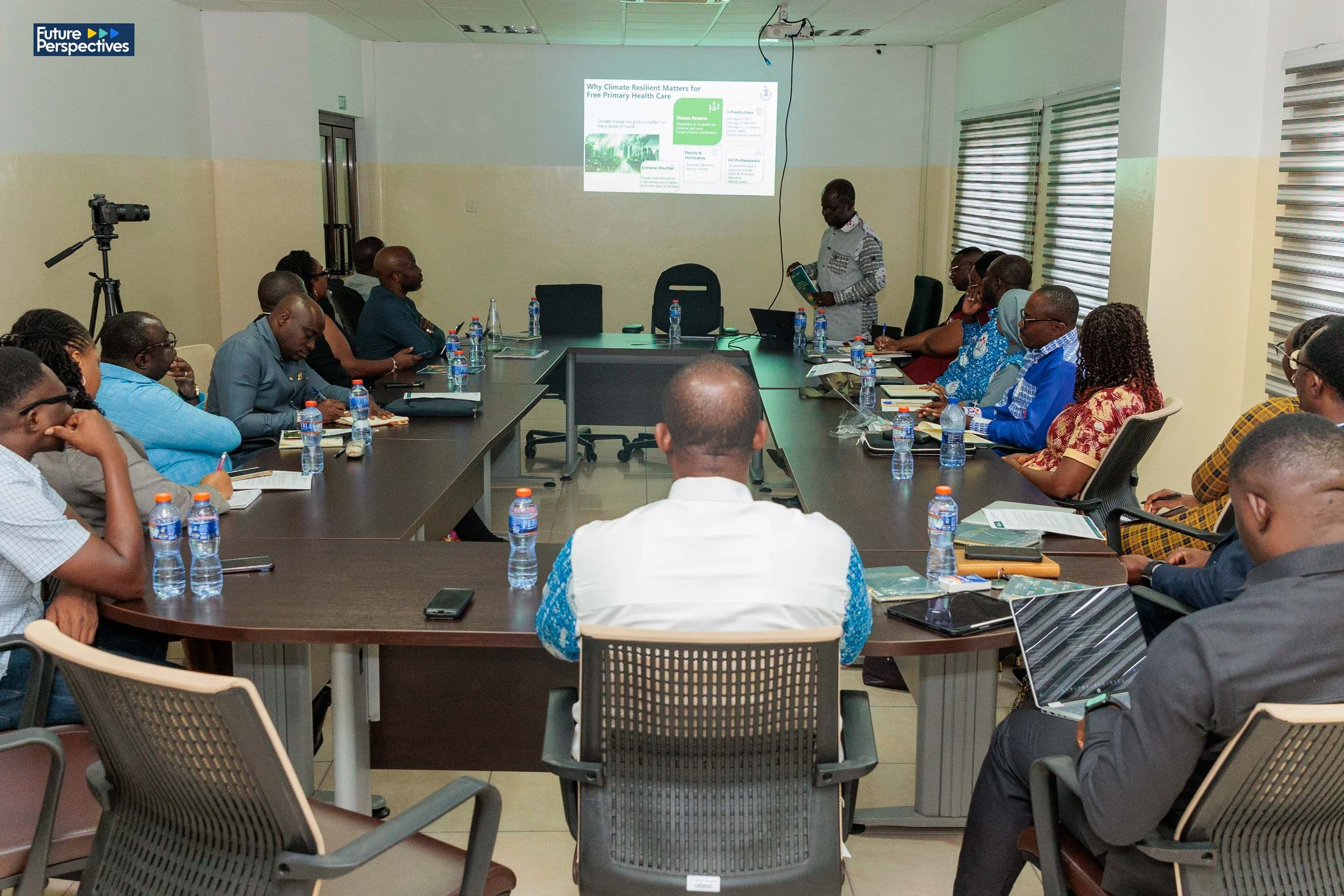
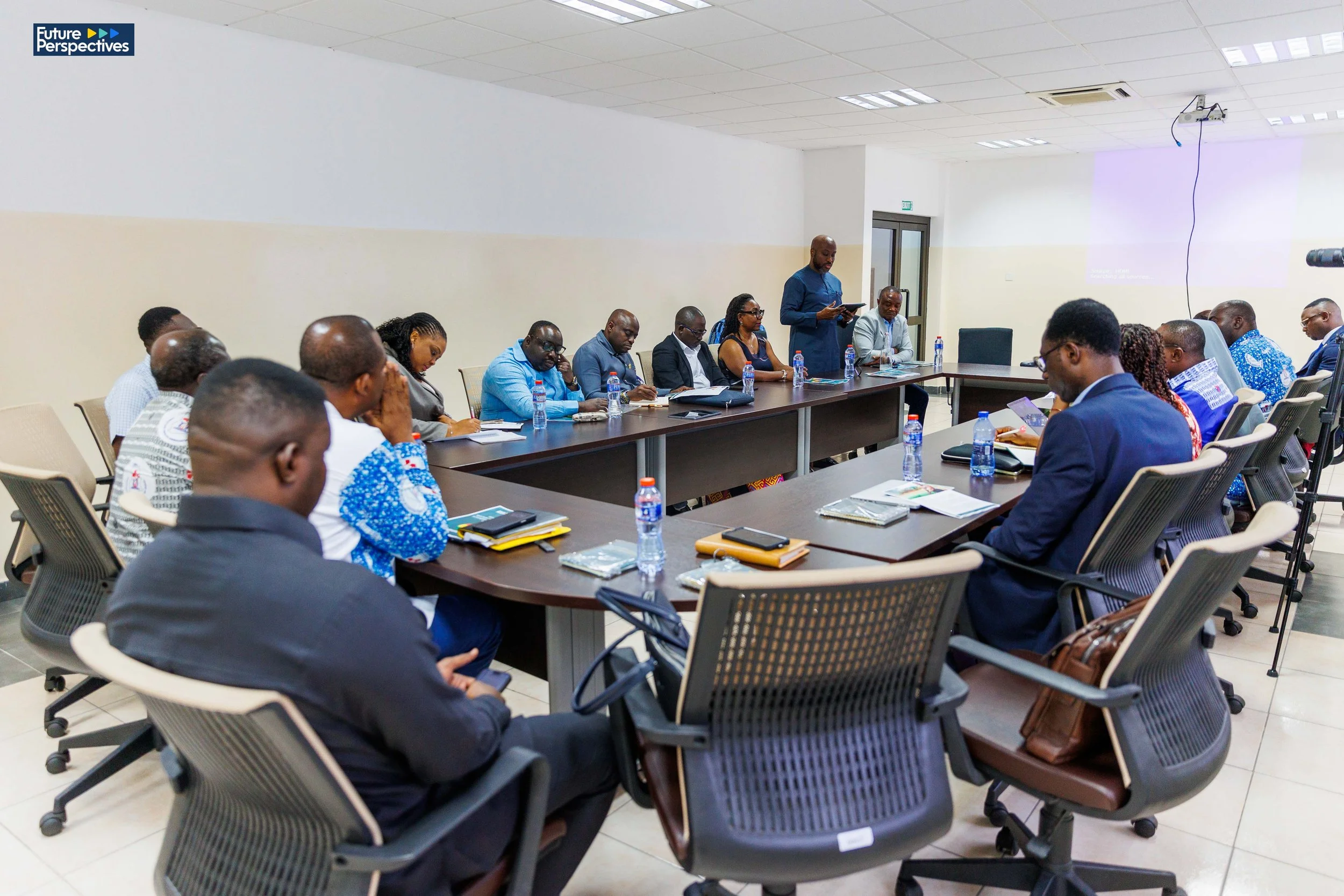
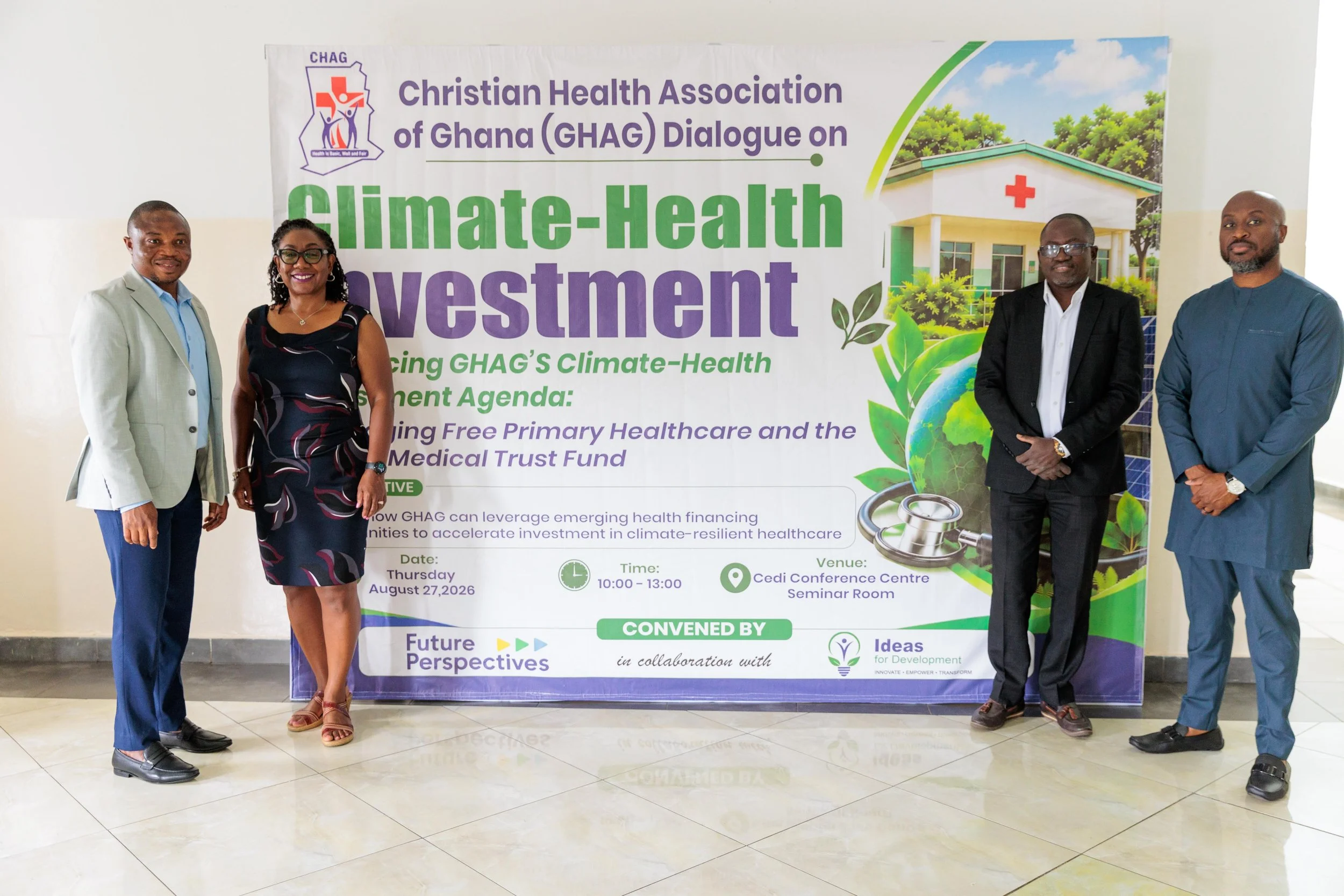
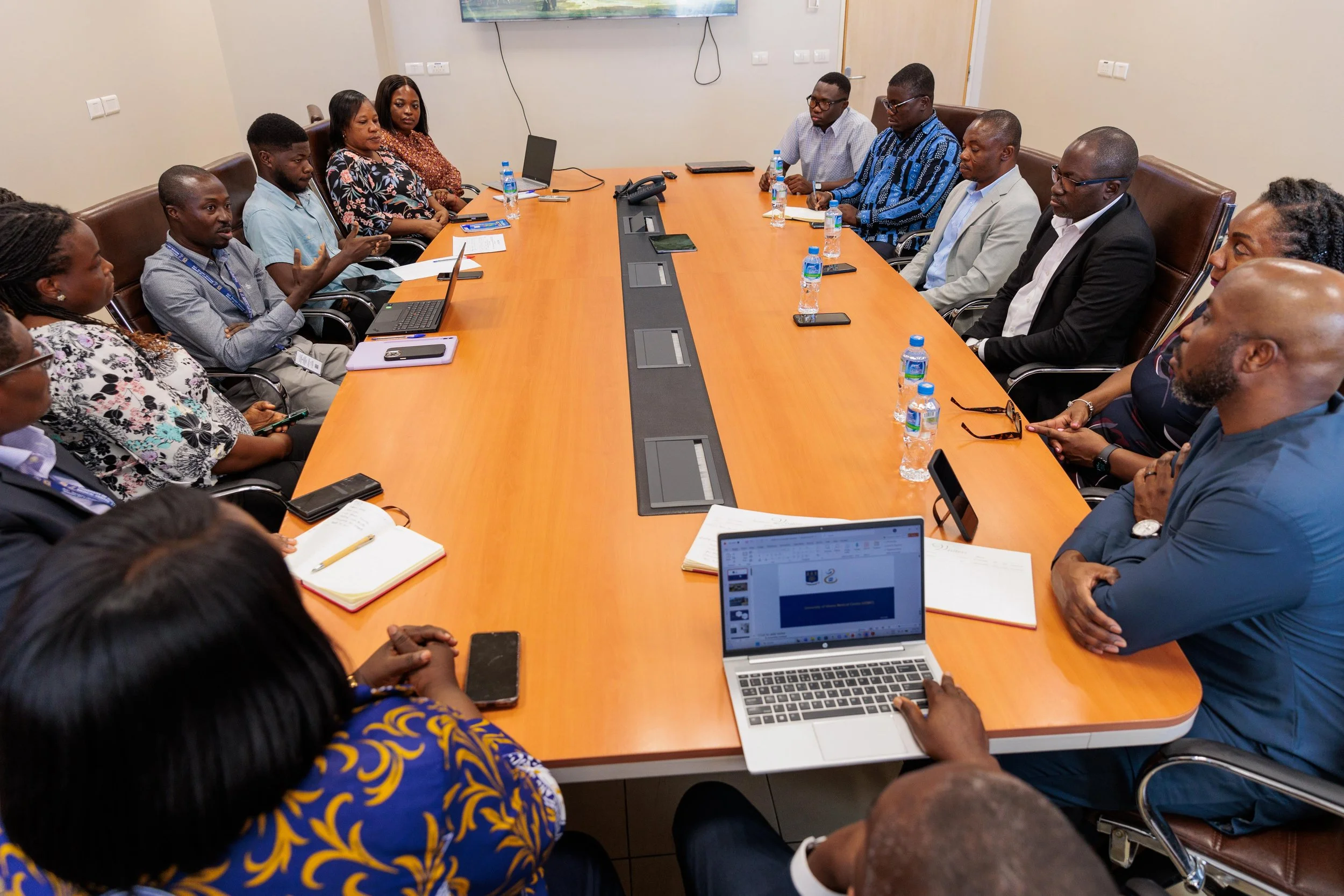
FP Team with CHAG and GMTF : 1st Row: L-R: Dotun Adebayo, Prof. Roger Atinga, Dr. Lorraine Otoide, Dr. Peter Yeboah (Executive Director, CHAG), Yemi Asekun, Dr. Norbert Mantu Kipo (Policy Advisor to the Administrator, GMTF)
Innovation and Research will be Critical
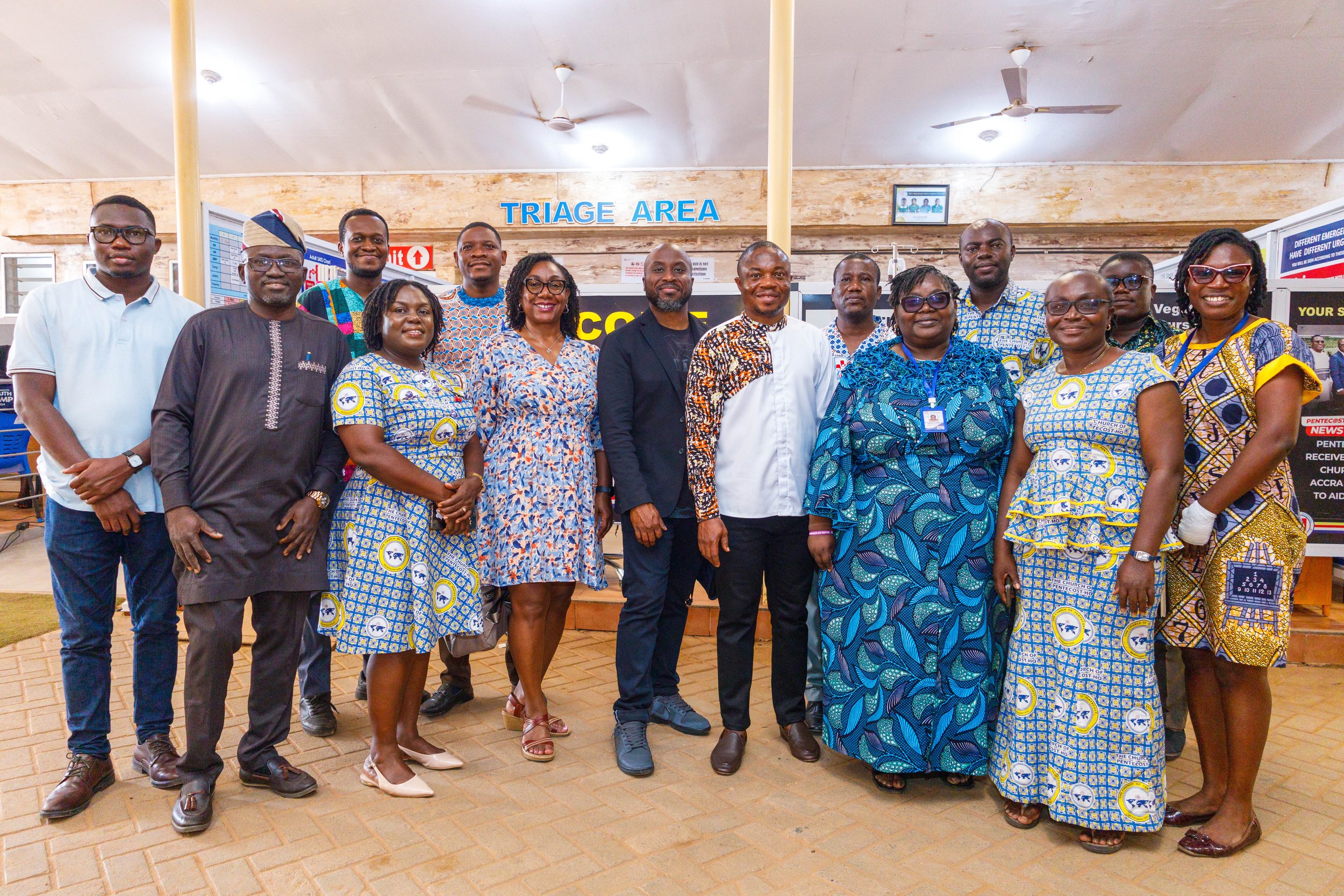
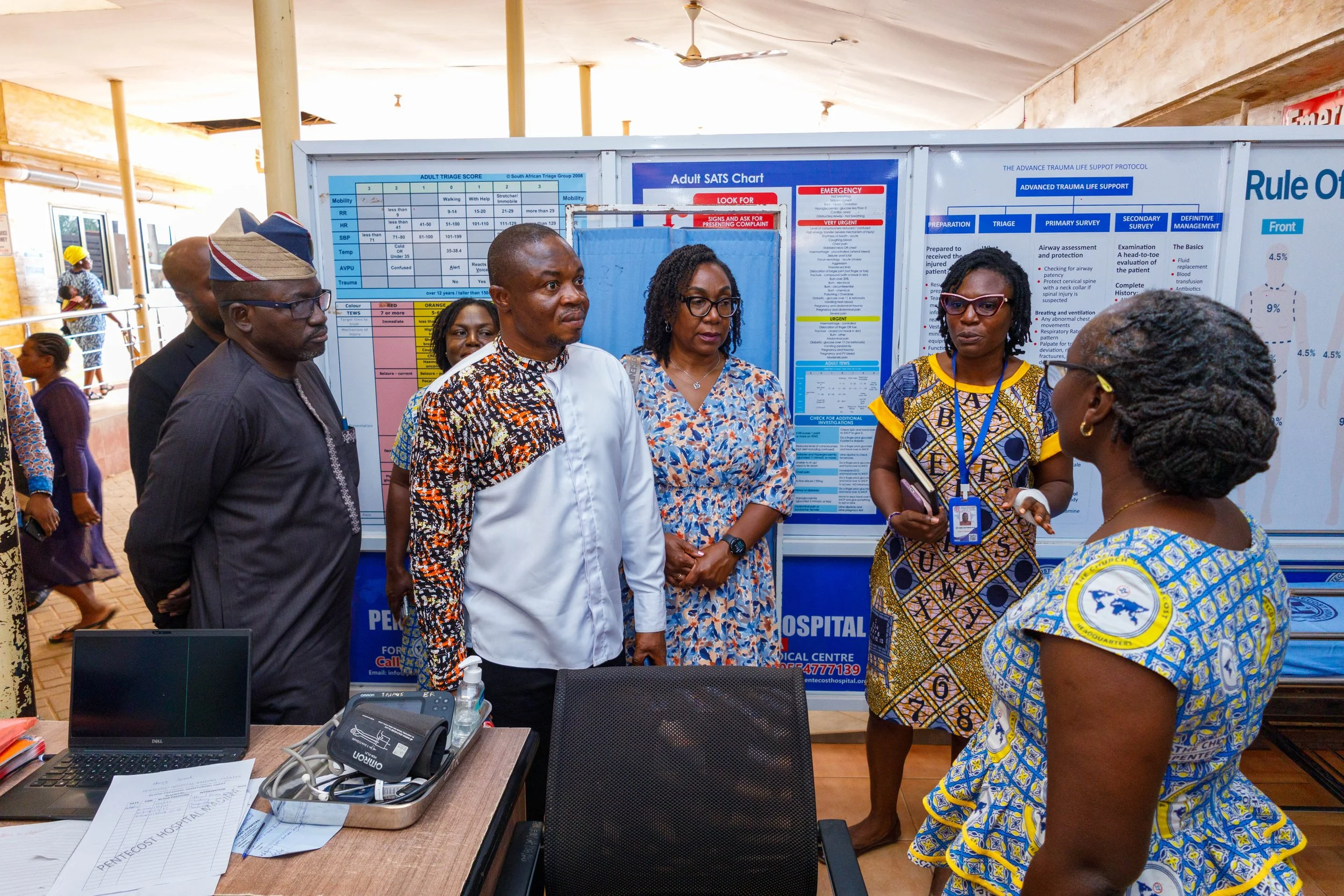
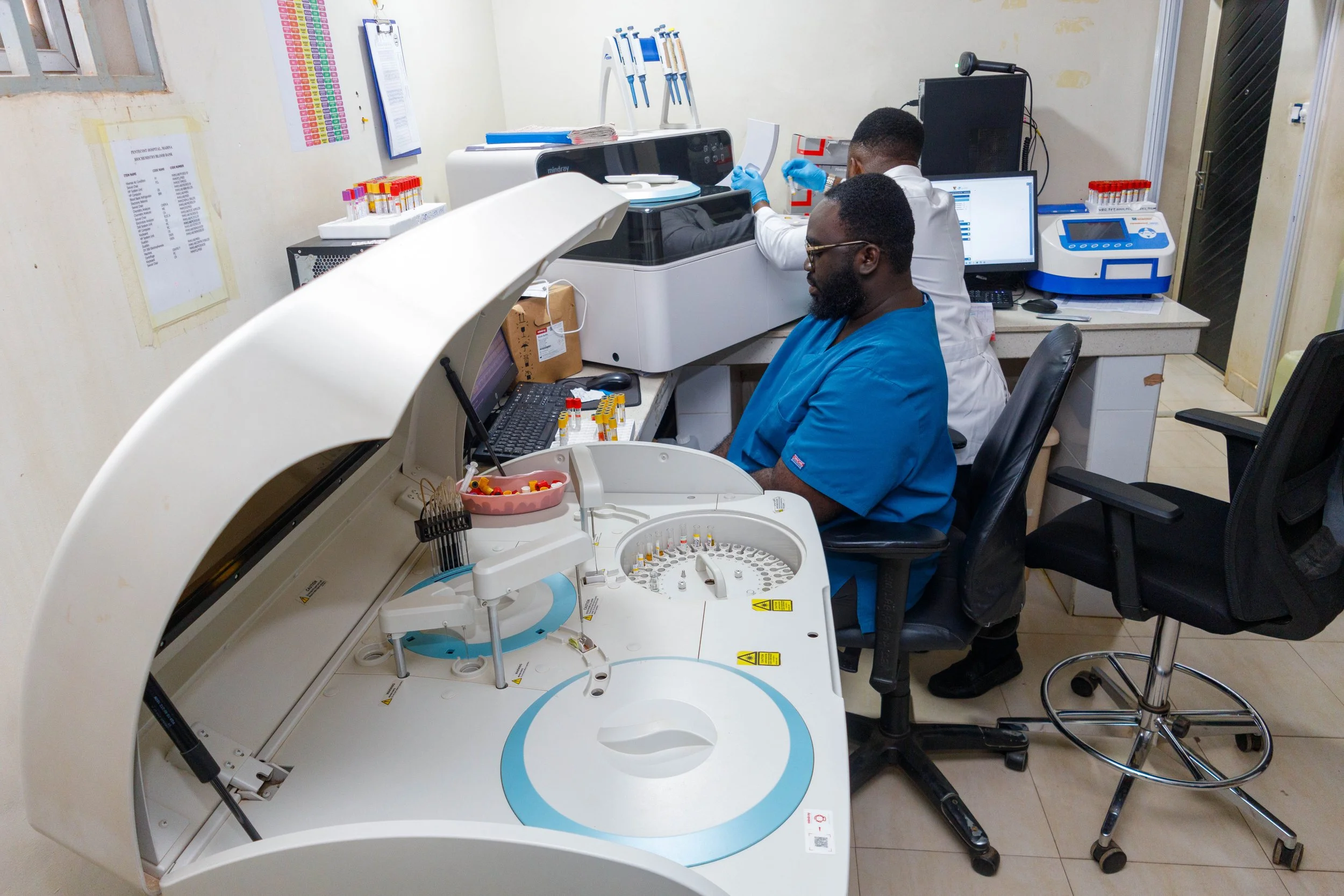
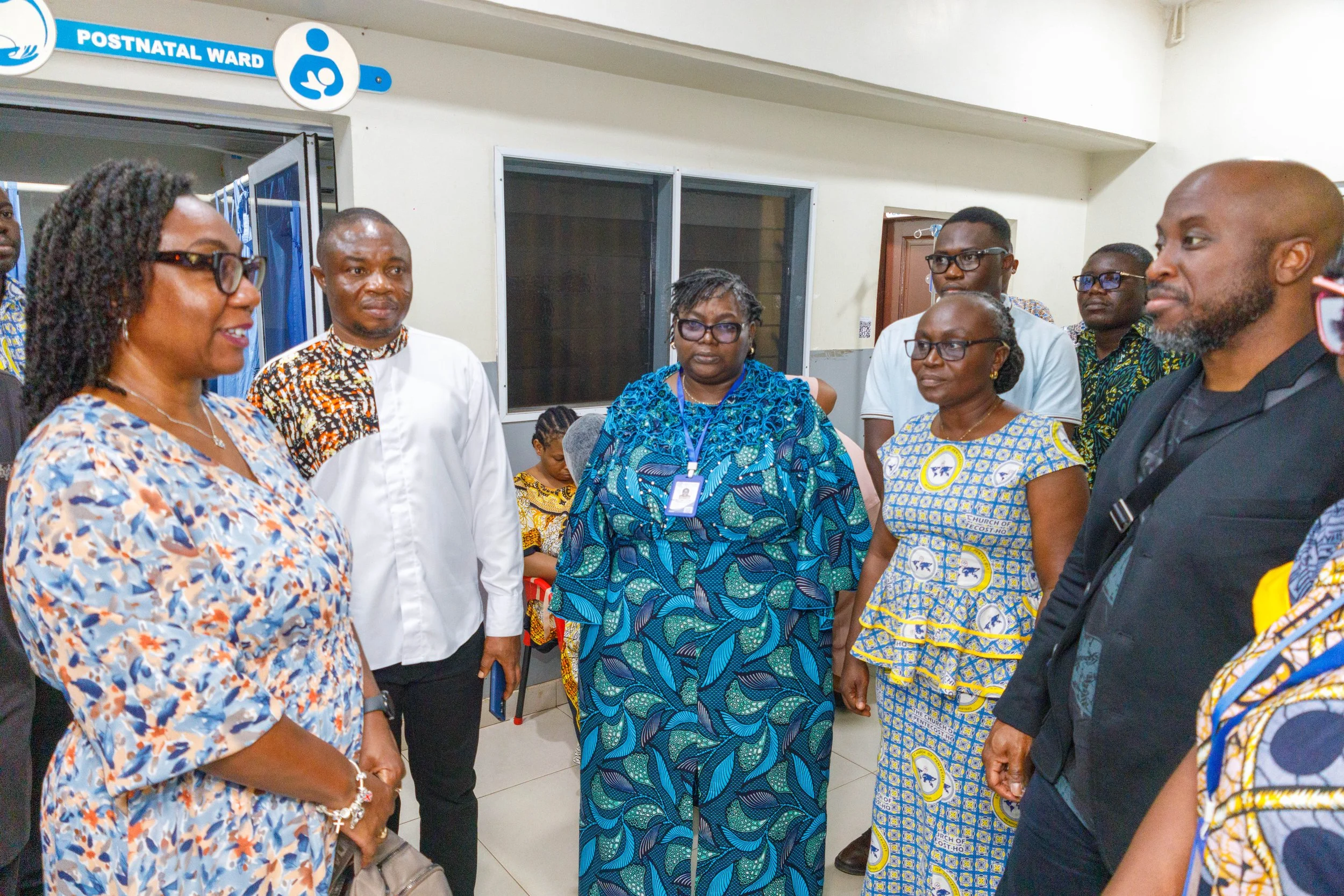
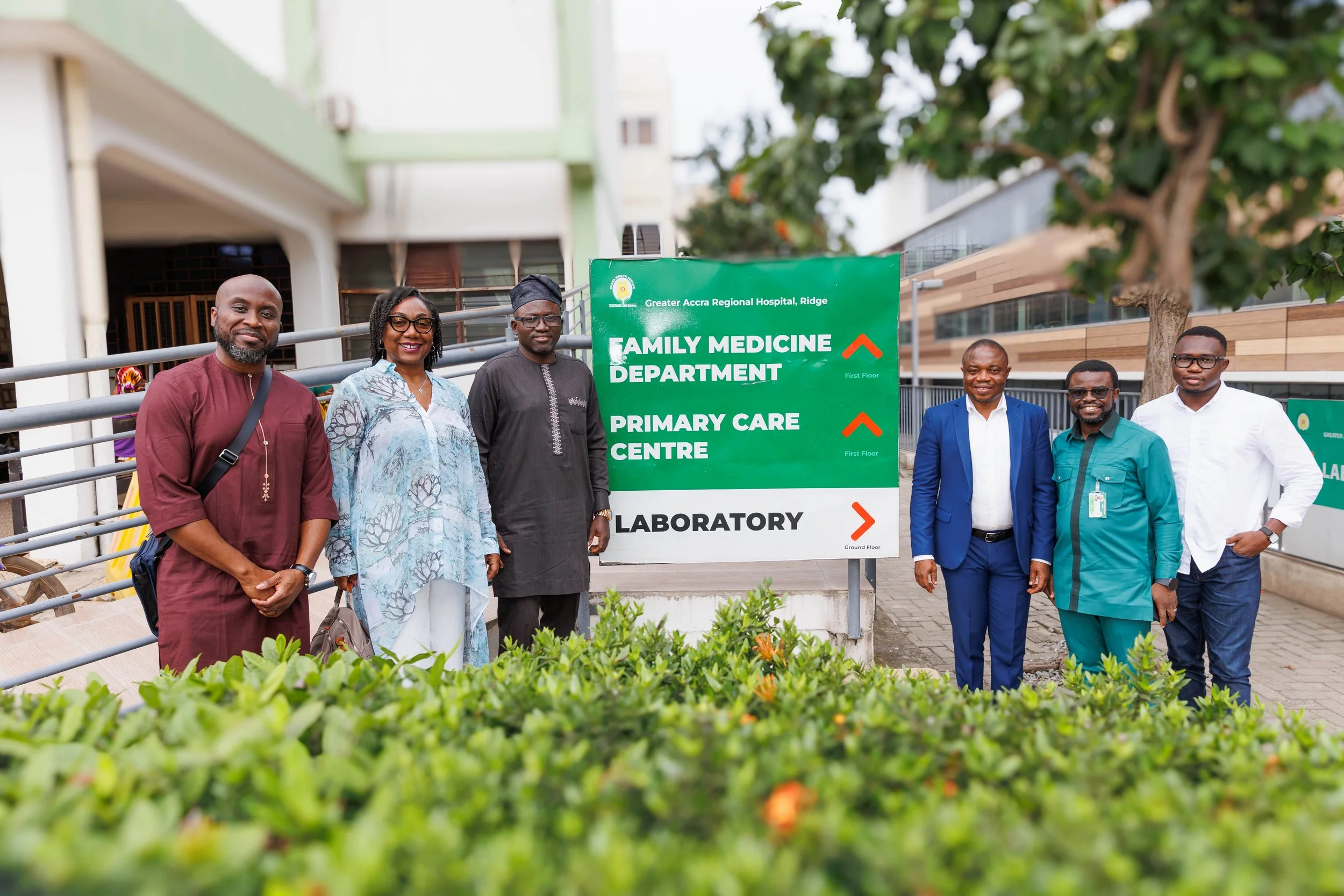
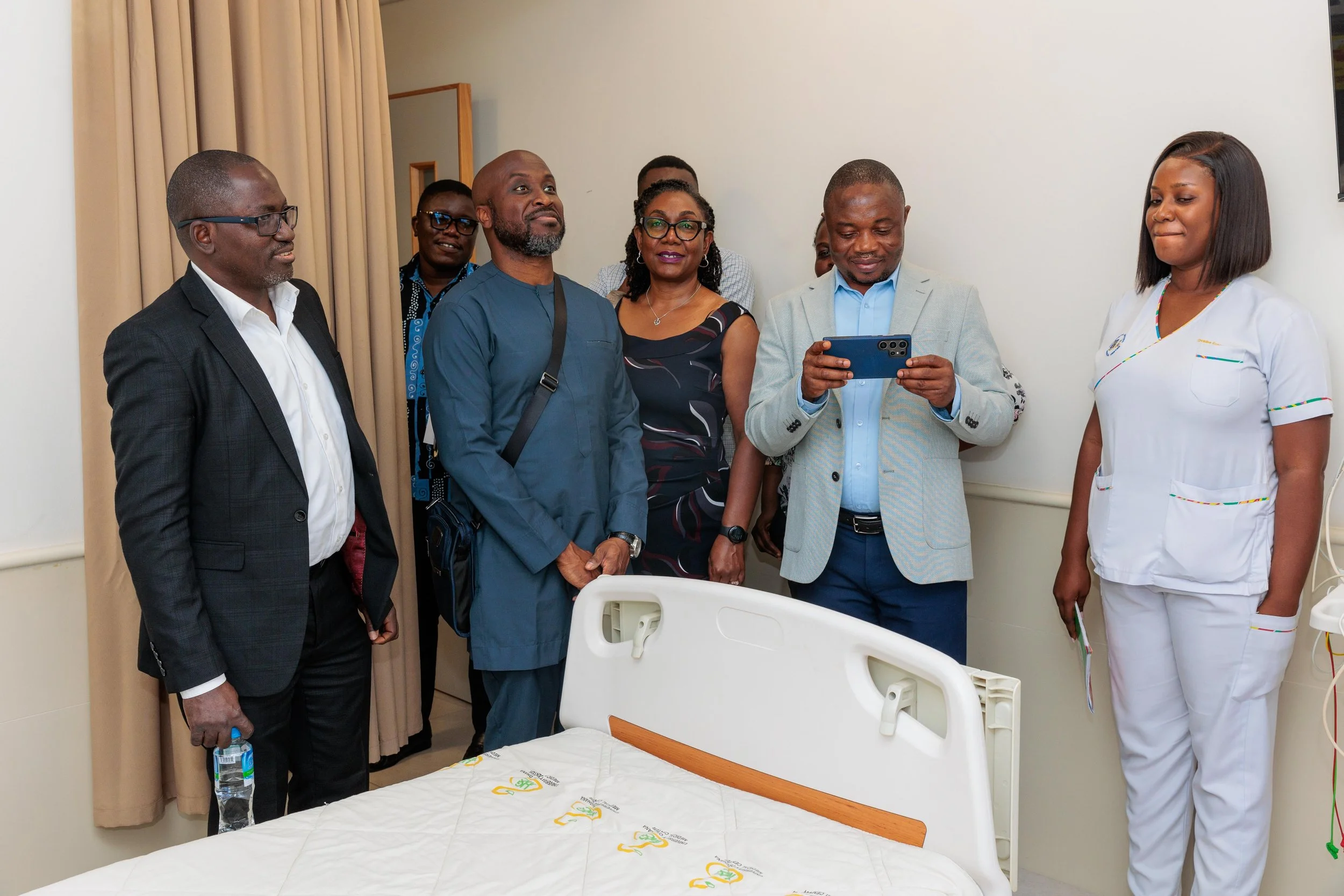
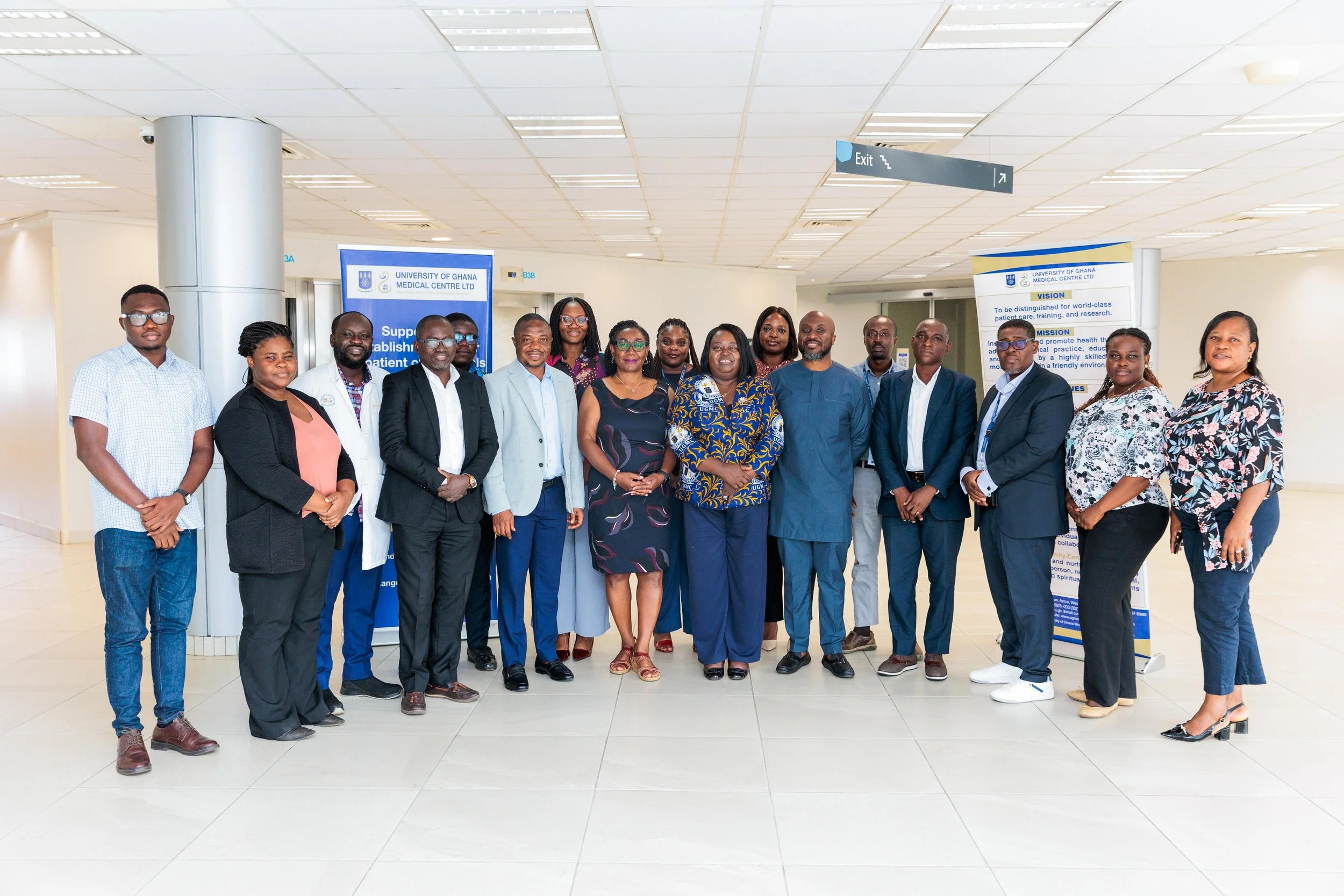
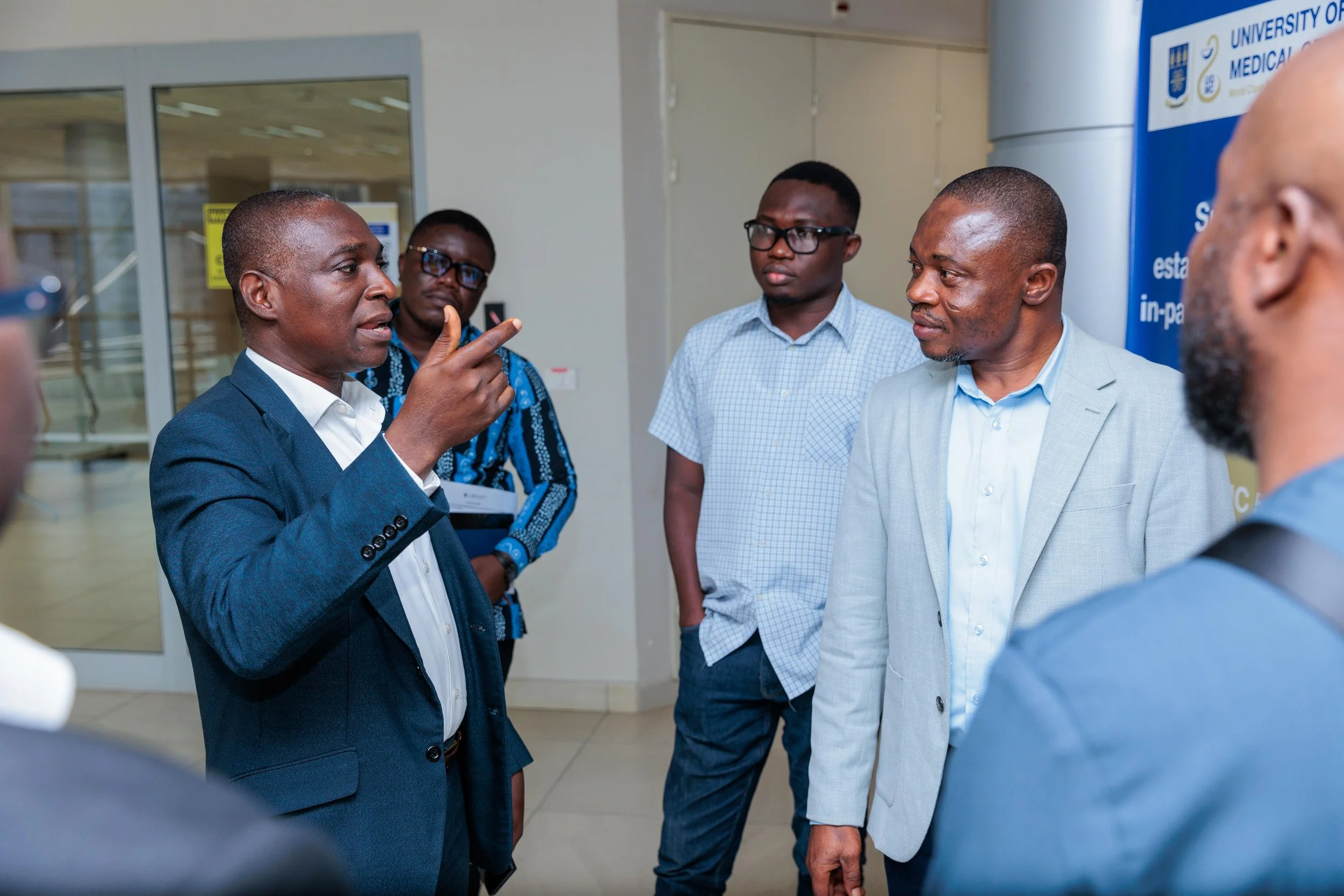
Site visits and stakeholder consultations underscored the importance of evidence-based investments in climate-resilient healthcare infrastructure, research, and preparedness.
Health leaders identified rising risks from flooding, extreme heat, air pollution, water insecurity, and climate-sensitive diseases. At the same time, they highlighted opportunities to strengthen resilience through innovative facility design, improved planning, stronger data systems, and research partnerships that can inform future investments.
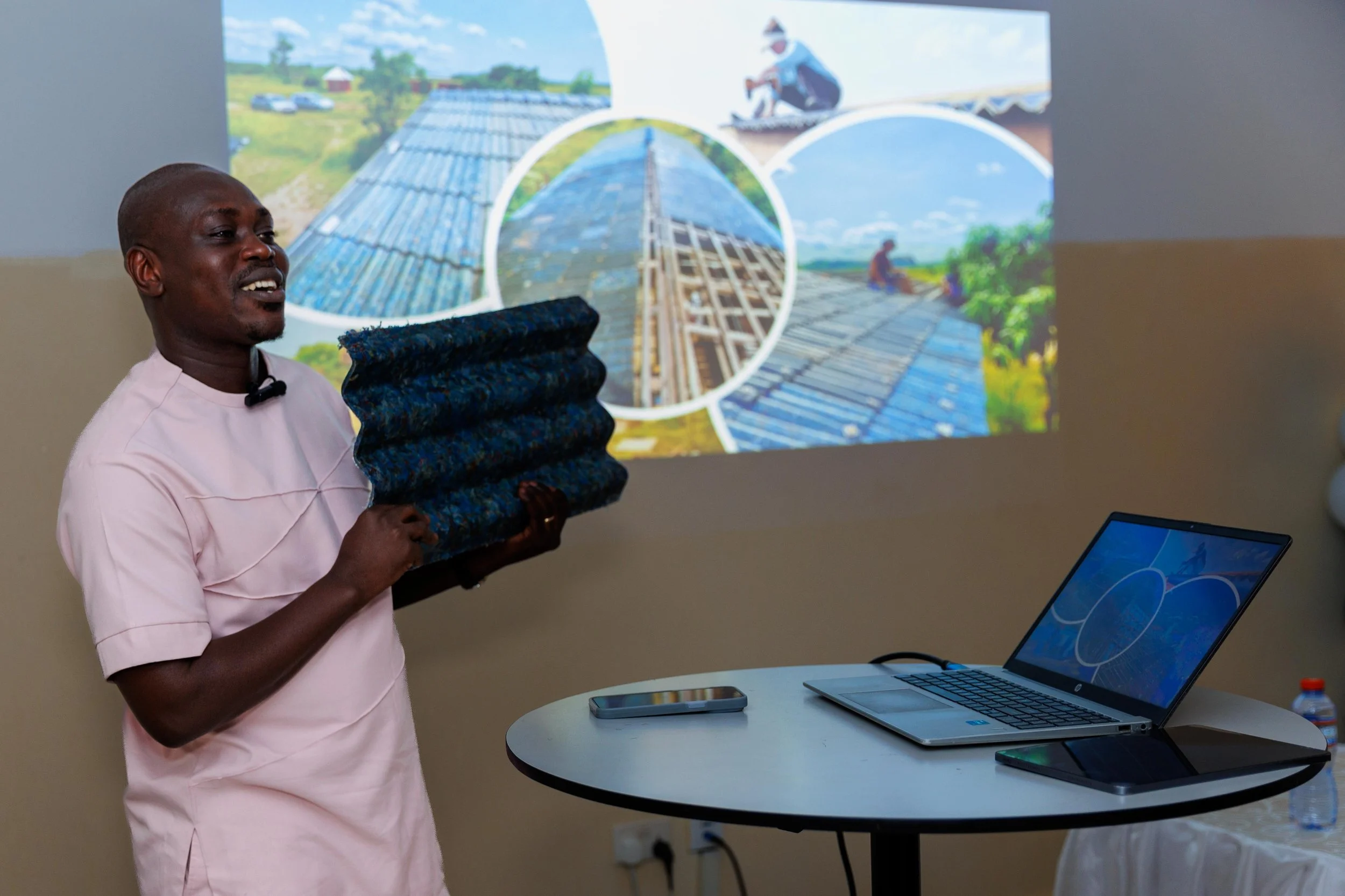
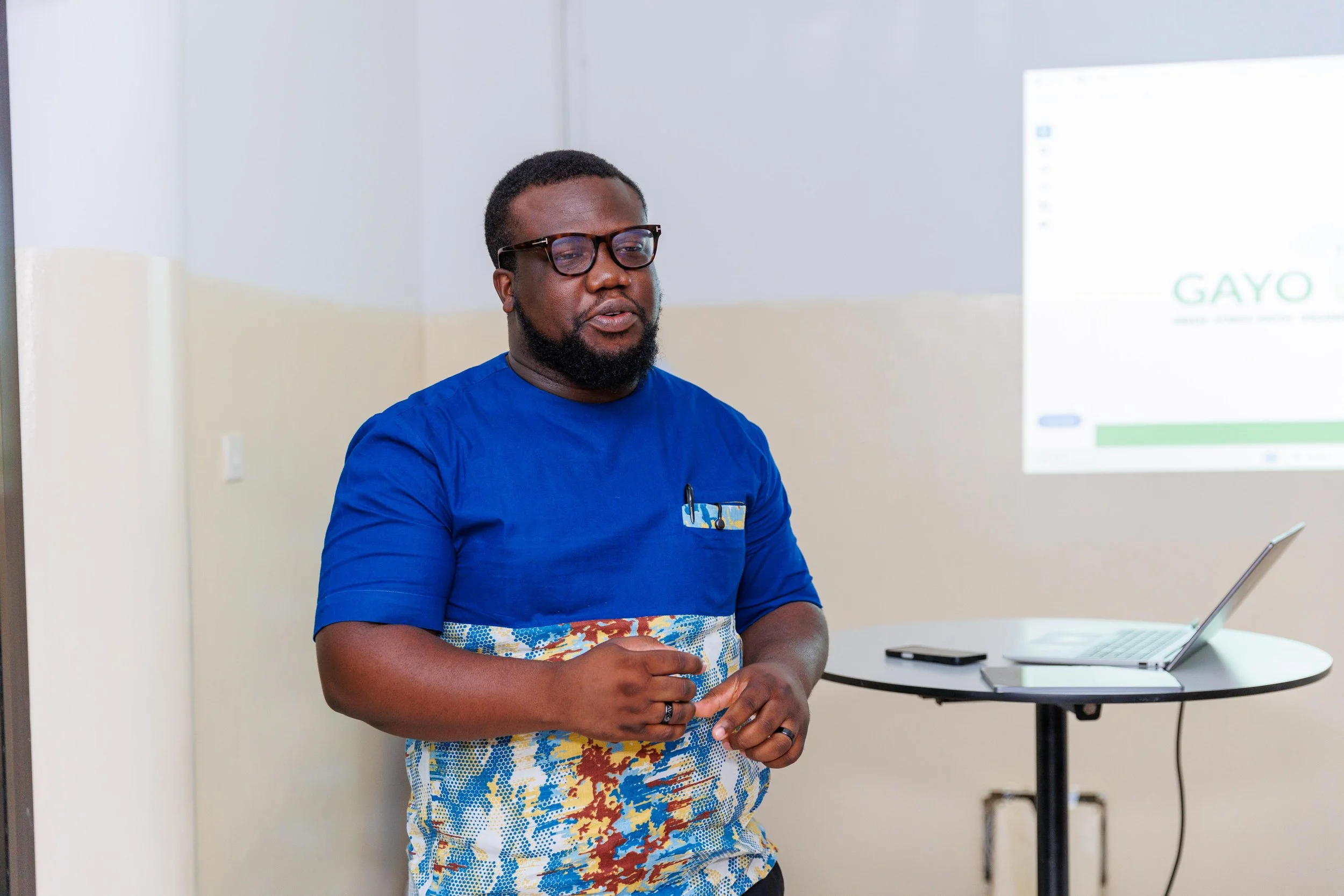
Beyond policy and financing conversations, the mission highlighted the critical role of innovation and youth leadership. Exchanges with students, entrepreneurs, researchers, and social innovators revealed a growing movement of changemakers developing solutions at the intersection of climate resilience, public health, and sustainable development. These conversations reinforced the importance of investing not only in systems and infrastructure, but also in the next generation of leaders driving locally owned solutions.
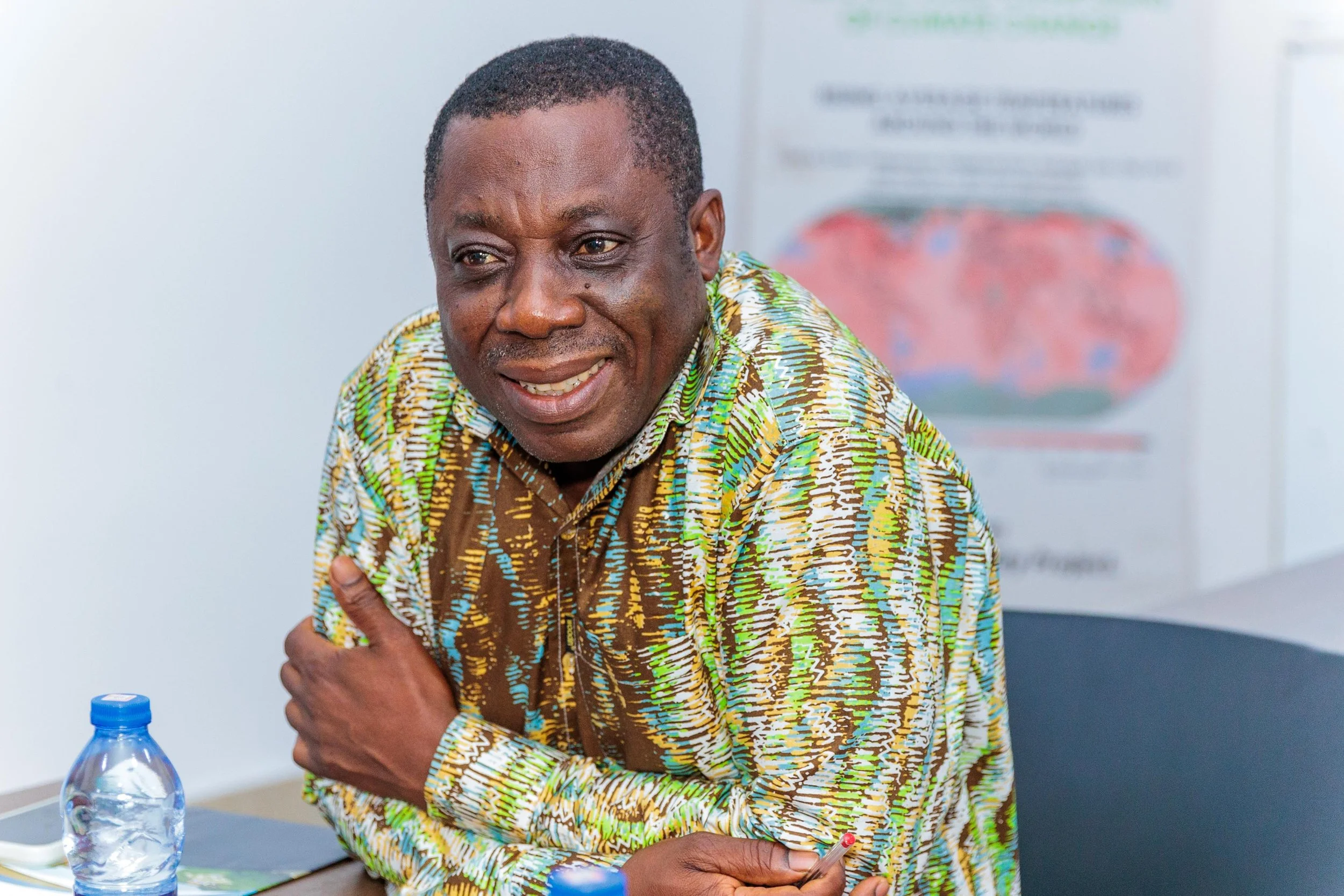
Makafui Awuku (CEO, Mckingtorch Africa) at the University of Ghana Graduate Student Dialogue on Climate-Health
A Model for Africa's Climate-Health Future
Perhaps the most powerful takeaway from the mission was the recognition that no single institution can tackle climate-health challenges alone. Progress will require coordinated action across government, private sector, development partners, healthcare providers, academia, civil society, and communities.
Ghana is showing what is possible when these actors come together around a shared vision. The country's experience offers an important blueprint for how political leadership, innovative financing, strong institutions, and strategic partnerships can be harnessed to build climate-resilient health systems across Africa.
As Future Perspectives continues its work across the continent, the message from Ghana is clear: the future of health resilience will be built not only by responding to climate risks, but by investing today in the systems, partnerships, and financing solutions that can protect communities for generations to come.